How to Propagate Konjac?
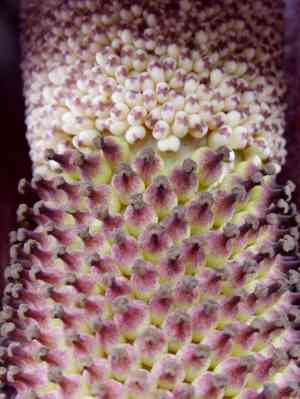
Konjac flourishes when reproduced from its corms, a technique that fosters robust development. Cultivators ought to gently detach the corms during their inactive period and embed them in permeable soil, abundant in organic material. Providing sufficient hydration and preventing excessive wetness are vital for effective root formation and subsequent plant strength.
Optimal Time for Konjac Propagation
Propagation Method
Utilize The Tubers
Propagation Period
Spring
Tools Required for Konjac Propagation
Sharp Knife
A sanitized, keen-edged knife is vital for dividing konjac tubers. This instrument enables precise cuts, minimizing harm to the plant material. A clean incision helps preserve the tuber's health, lowering infection risks and promoting quicker healing and root formation.
Potting Mix
A well-aerated, nutrient-rich potting medium is crucial for the successful rooting and growth of konjac tubers. The mixture should support proper air circulation and moisture retention to aid initial root development while preventing decay. A blend containing perlite, vermiculite, and organic compost is ideal.
Rooting Hormone
Applying a rooting stimulant to the freshly cut surfaces of konjac tubers can significantly boost root initiation and growth. This hormone encourages faster root development and helps establish a robust root system, essential for the plant's successful establishment.
Plant Pots
Appropriately sized plant containers with sufficient drainage holes are necessary for planting the divided konjac tubers. These pots offer a controlled environment for the tubers to mature into healthy plants. Ensuring proper drainage is critical to prevent waterlogging, which could lead to fungal diseases.
Watering Can with a Fine Rose
A watering can equipped with a fine rose attachment is perfect for gently irrigating newly planted konjac tubers, ensuring even moisture distribution without disturbing the soil or exposing the tubers. Proper watering is essential during the early growth stages, helping to establish a strong, healthy plant.
Post-Propagation Care for Konjac
How to Care for Your Newly Propagated Konjac?
Following propagation, maintain consistent care to ensure konjac's healthy growth. Continue to provide indirect light and avoid direct sun exposure. Water the plant to keep the soil moist, especially during active growth months. Regularly inspect for pests or disease signs and address them promptly. Fertilize konjac with a balanced, slow-release fertilizer every four to six weeks during the active growing phase for optimal growth and development.
Common Errors to Avoid When Propagating Konjac
Overwatering
Excessive watering of konjac during its dormant phase can lead to bulb rot. Konjac's corms require periods of dryness to encourage healthy growth cycles.
Incorrect soil type
Using overly dense or poorly draining soil can cause the konjac corm to decay, as it needs a well-draining, fertile substrate that mimics its natural habitat.
Excessive handling
Frequent manipulation or relocation of konjac can disturb the corm, potentially damaging it and hindering root development. This can delay or prevent successful propagation.
Planting depth errors
Planting the konjac corm too deep or too shallow can impact its ability to sprout. Appropriate planting depth ensures the corm has adequate protection and room to develop.
Advice for Propagating Konjac
Corm division
Carefully divide konjac's corm during its dormancy. Ensure each section possesses at least one growth bud, and handle gently to prevent damage.
Use of fungicide
Applying a fungicide to the konjac corm after division can help prevent fungal infections, which are common when plant tissue is exposed.
Proper depth and spacing
Plant konjac's corm sections at the correct depth, typically between 4 to 6 inches, depending on the corm's size. Ensure adequate spacing to allow for proper growth and air circulation.
Adequate moisture control
Maintain a balanced soil moisture level for konjac. Water moderately to keep the soil slightly moist but not waterlogged, especially during active growth periods.



