How to Propagate Large bullwort?
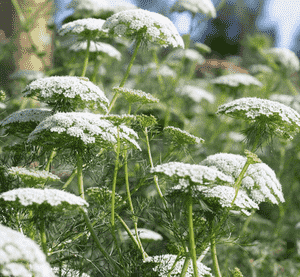
For large bullwort, the favored method of reproduction is planting seeds in the prime period of Spring. Its propagation is quite straightforward, indicated by robust seedling development. Maintain consistent dampness and elevated temperatures to achieve the best outcomes.
When Is the Optimal Time to Propagate Large Bullwort?
Propagation Method
Seeding
Propagation Period
Spring
What Equipment Is Used for Large Bullwort Propagation?
Seed trays
Seed trays are shallow containers with individual sections, perfect for starting large bullwort from seed. They help keep plants organized and provide ample room for seedlings to develop. Using seed trays allows for easy transplanting of large bullwort seedlings without disturbing their root systems.
Perlite or Vermiculite
These are sterile, lightweight materials that help provide aeration and retain moisture in the seed-starting mix. When combined with soil or peat, they create an ideal environment for large bullwort seed germination and prevent fungal issues.
Dibber or Seed sower
A dibber is a pointed tool used to create precise holes in the soil for placing large bullwort seeds at the correct depth. A seed sower aids in distributing seeds evenly across the soil surface. These tools ensure proper seed placement, which is vital for consistent germination rates.
Watering can with a fine rose
This ensures gentle watering of large bullwort seeds and seedlings, preventing soil disturbance and the washing away of seeds. The 'rose' attachment disperses water evenly and helps avoid overwatering, which is detrimental to large bullwort seed germination.
Clear plastic dome or Propagator lid
These covers maintain high humidity and temperature around large bullwort seeds and seedlings, crucial for successful germination. They also protect seedlings from pests and external weather conditions, which can impede growth.
Heat mat
This provides warmth from below, which can enhance large bullwort seed germination by maintaining a consistent and optimal soil temperature. This is especially beneficial in cooler climates or seasons, where ambient temperatures might be too low for large bullwort seed germination.
Labels and Marker
Plant labels and markers are used to identify large bullwort seedlings and track sowing dates. Proper labeling is essential for organization, particularly when propagating multiple plant species, to ensure specific care for each plant type as they grow.
How to Propagate Large Bullwort?
Propagation Method
Seeding
Difficulty Level
Simple
How to Care for Your Newly Propagated Large Bullwort?
How to Care for Your Newly Propagated Large Bullwort?
After transplanting, ensure large bullwort receives consistent watering, especially during dry spells. It prefers well-drained soil and a sunny spot, though it can tolerate partial shade. Some support may be needed as large bullwort grows taller to prevent stems from bending. Deadheading is advised to encourage more blooms and prevent self-seeding if not desired. Overall, large bullwort is quite resilient, but protection from strong winds and support for its tall stems can be beneficial.
Common Errors to Avoid When Propagating Large Bullwort
Overwatering seedlings
Excessive moisture can lead to damping-off, a fatal fungal disease for young large bullwort seedlings. This error hinders proper root development and reduces the chances of successful plant establishment.
Planting depth
Sowing large bullwort seeds too deep can prevent germination due to insufficient light, as large bullwort seeds require light to germinate properly. Seeds planted too deep may not receive the necessary light exposure, impeding their growth.
Ignoring soil quality
Using poor-quality soil that lacks proper drainage or nutrients can stunt large bullwort growth. Poor soil conditions can lead to root rot or nutritional deficiencies, compromising the plant's overall health.
Neglecting pest control
Failing to protect large bullwort from pests during early stages can result in damaged or destroyed seedlings. Pest infestations can severely impact the propagation success rate and plant vitality.
Tips For Propagating Large Bullwort
Surface sowing
Gently press large bullwort seeds onto the soil surface without covering them with soil, ensuring they receive necessary light for germination. This method matches the light exposure requirement of large bullwort seeds for optimal germination rates.
Moisture management
Maintain consistent soil moisture, but avoid waterlogging. Provide a well-draining growing medium for large bullwort to prevent diseases while ensuring the soil is moist enough to support seed germination and seedling growth.
Soil preparation
Prepare a nutrient-rich, well-drained soil mix to promote healthy root development for large bullwort. Enriching the soil with organic matter can provide the necessary nutrients for vigorous plant growth.
Pest monitoring
Regularly inspect large bullwort for any signs of pests and implement appropriate pest control measures. Early detection and treatment can help avoid extensive damage to the plant and ensure successful propagation.



