How to Propagate Common serviceberry?
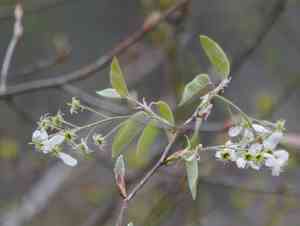
Amelanchier canadensis can be reproduced via dormant wood cuttings, air layering, and planting seeds in the fall and winter. Reproduction can be difficult and demands meticulous care. The emergence of fresh roots or sprouts indicates successful propagation. Maintaining consistent hydration and providing sufficient room for development are crucial.
Optimal Propagation Period for Common Serviceberry
Propagation Method
Cutting
Propagation Period
Autumn,Winter
Tools Required for Common Serviceberry Propagation
Sharp Pruning Shears
These are crucial for obtaining common serviceberry cuttings, enabling precise, clean cuts that minimize harm to the parent plant and enhance the likelihood of the cutting taking root. Sharp blades ensure a smooth cut without crushing plant tissues, which can promote faster healing and reduce infection risk.
Rooting Hormone
This substance is applied to encourage root formation from common serviceberry cuttings. Rooting hormone can significantly boost propagation success by stimulating root development at the cut site. This is especially vital for woody plants like common serviceberry, which might root more slowly or with greater difficulty than herbaceous plants.
Sterile Potting Mix
A clean, nutrient-rich substrate offers an ideal environment for common serviceberry cuttings to establish roots. Maintaining sterility is key to preventing fungal or bacterial growth that could harm delicate new roots. A well-draining yet moisture-retentive mix supports healthy root development without waterlogging.
Propagation Trays or Containers
These hold the sterile potting mix and provide an organized space for common serviceberry cuttings to root. Containers should feature drainage holes to prevent excessive water accumulation and be appropriately sized for the quantity of cuttings being propagated.
Plastic Covers or Humidity Domes
Maintaining high humidity around common serviceberry cuttings prevents drying out while they lack established roots to absorb water. Covers or domes trap moisture in the air surrounding the cuttings, mimicking the humid conditions that support the growth of new roots.
Heating Mats
For common serviceberry, which may benefit from a consistent and slightly elevated soil temperature, heating mats can provide gentle warmth to stimulate root growth. This is particularly advantageous during cooler months or in colder climates where soil temperatures might be lower than ideal for root development.
Post-Propagation Care for Your New Common Serviceberry
Post-Propagation Care for Your New Common Serviceberry
Once rooted, gradually introduce the new common serviceberry plant to ambient conditions. Transplant it into a larger container or its permanent outdoor spot, ensuring well-drained soil and full sun to partial shade. Water consistently, especially during dry periods, and apply a balanced fertilizer according to its growth stage. Prune lightly to shape the plant and encourage denser growth, and monitor for pests and diseases, treating as needed.
Common Errors to Avoid When Propagating Common Serviceberry
Excessive watering of cuttings
Keeping the soil too wet can lead to rot in common serviceberry's cuttings. This can reduce oxygen availability for developing roots and encourage fungal diseases, impeding root development and potentially killing the cutting.
Neglecting soil quality
Common serviceberry requires well-draining soil for optimal root health. Using a heavy, clay-rich soil or one that retains too much water can waterlog the roots, depriving them of essential oxygen and potentially causing root rot.
Planting depth issues
Inserting common serviceberry cuttings too deeply into the soil can hinder their ability to sprout new leaves and roots. Conversely, not planting cuttings deep enough can cause them to dry out and fail to establish.
Ignoring humidity needs
Common serviceberry cuttings thrive in a humid environment during propagation. Failure to maintain adequate humidity can cause cuttings to lose moisture too quickly, leading to desiccation before rooting.
Overlooking pests and diseases
Ignoring potential pests and diseases can be detrimental to common serviceberry. Pests like aphids or fungal diseases can rapidly damage or kill young plants or cuttings.
Tips For Propagating Common Serviceberry
Pre-rooting treatment
Applying a rooting hormone to common serviceberry cuttings can promote stronger and faster root development. This can significantly increase the success rate of propagation.
Soil choice
Selecting a light, well-draining potting mix for common serviceberry cuttings is crucial. It helps prevent waterlogging and provides the necessary aeration for root growth.
Humidity control
Create a mini greenhouse around common serviceberry cuttings using plastic bags or containers to maintain high humidity. Ensure there is some ventilation to prevent mold growth.
Watering practices
Water common serviceberry cuttings with care; keep the soil moist but not soggy, and allow the top layer of soil to dry out slightly between waterings to encourage root search for moisture.
Monitoring health
Regularly inspect common serviceberry cuttings for signs of pests, diseases, and stress. Early detection and management can prevent small issues from compromising the propagation process.



