How to Propagate Love-lies-bleeding?
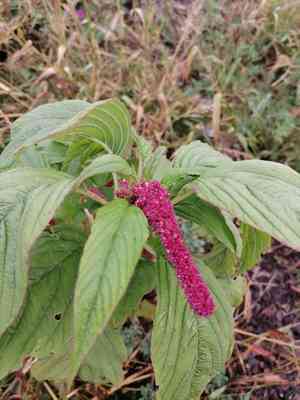
The most effective method for propagating Love-lies-bleeding involves planting its seeds in the springtime. This plant is quite straightforward to multiply, with the appearance of young sprouts signaling successful cultivation. No particular propagation advice is required for this species.
Optimal Time for Love-lies-bleeding Propagation
Propagation Method
Seeding
Propagation Period
Spring
Tools for Love-lies-bleeding Propagation
Seed trays or flats
Seed trays offer a contained space for planting love-lies-bleeding's tiny seeds, preventing displacement and allowing close observation for germination. They help maintain consistent soil moisture and temperature, vital for successful seed sprouting.
Fine vermiculite or seed starting mix
These mediums provide excellent drainage and aeration, crucial for the delicate roots of love-lies-bleeding. They help prevent soil compaction and reduce the risk of fungal diseases, to which love-lies-bleeding seeds are especially vulnerable when overwatered.
Misting bottle
A gentle method for watering seeds without disturbing them. The misting bottle ensures the soil remains moist, essential for the germination of love-lies-bleeding's small seeds, without causing waterlogging.
Grow lights (optional)
If starting love-lies-bleeding's seeds indoors or in low-light conditions, grow lights can supply a consistent and sufficient light source necessary for seedlings to develop robust, healthy growth.
Heat mat (optional)
A heat mat can gently warm the soil, promoting faster germination of love-lies-bleeding seeds, especially in cooler conditions where low soil temperatures might hinder sprouting.
Plastic dome or covering
This tool helps create a greenhouse-like environment over seed trays, retaining humidity and warmth to encourage germination. For love-lies-bleeding, which thrives in warm conditions, this can speed up the germination process.
Tweezers or small dibble
Tweezers or a dibble are used to precisely handle and sow love-lies-bleeding's extremely small seeds, minimizing waste and ensuring even distribution across the soil surface.
Steps to Propagate Love-lies-bleeding
Propagation Method
Seeding
Difficulty Level
Easy
Caring for Newly Propagated Love-lies-bleeding
Caring for Newly Propagated Love-lies-bleeding
After propagation, keep the soil around love-lies-bleeding consistently moist but not waterlogged. Love-lies-bleeding thrives in full sun but can tolerate partial shade. Fertilize with a balanced fertilizer every four weeks until maturity. Support love-lies-bleeding's tall growth with stakes or a trellis if needed. Monitor for pests and diseases, managing them as necessary. Deadhead spent flowers to encourage more blooms and prevent unwanted self-seeding.
Common Errors to Avoid When Propagating Love-lies-bleeding
Overwatering
Excessive moisture can lead to root rot and fungal infections, weakening or killing love-lies-bleeding before it can establish itself.
Planting depth
Burying seeds too deeply can hinder germination as love-lies-bleeding seeds need light to sprout effectively; planting too shallowly might expose seeds to birds or cause them to dry out.
Overcrowding
Sowing seeds too closely together can impede growth due to competition for light, space, and nutrients, potentially resulting in weak and leggy plants.
Ignoring soil quality
Failing to provide well-drained soil with adequate nutrients can impede love-lies-bleeding's growth as it may lack the necessary conditions for healthy development.
Tips for Propagating Love-lies-bleeding
Light exposure
Place love-lies-bleeding seeds on the soil surface or lightly cover them to ensure they receive the necessary light for germination.
Watering technique
Use a spray bottle or a gentle watering method to moisten the soil without causing erosion or disturbing the seeds, ensuring consistent moisture until germination.
Spacing
Sow love-lies-bleeding seeds at the recommended distance apart to reduce competition for resources and allow easy access for maintenance and harvesting.
Soil preparation
Incorporating compost or well-rotted manure into the soil can provide love-lies-bleeding with a nutrient-rich environment to support healthy growth and development.



