How to Propagate Marsh-mallow?
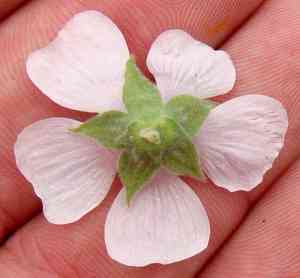
Althaea officinalis, a therapeutic plant featuring soft foliage and light-colored blossoms, is prized in horticultural settings and folk medicine. To achieve successful growth, planting Althaea officinalis seeds in a controlled greenhouse environment proves beneficial. Initiate the process by lightly pressing the seeds into damp, adequately draining earth, leaving them exposed, as illumination is crucial for their germination. Sustain a steady temperature and moisture level to facilitate emergence. When the young plants have developed sufficient vigor, relocate them to their permanent spot, allowing ample room for expansion.
Optimal Period for Marsh-mallow Propagation
Propagation Method
Seeding
Propagation Period
Spring
Tools for Marsh-mallow Propagation
Seed Trays
Seed trays are perfect for initiating marsh-mallow seeds within a regulated setting. Their shallow form enables uniform light distribution and reduces soil compaction, vital for the delicate marsh-mallow seeds. Utilizing modular or cell trays can further assist in effortless seedling transplanting without disturbing the root system, thereby boosting propagation success.
Soil Thermometer
Soil temperature is crucial for marsh-mallow seed germination. A soil thermometer ensures the growing medium is at the optimal temperature range for marsh-mallow, typically between 68°F to 72°F (20°C to 22°C). Maintaining the correct soil temperature aids in achieving higher germination rates and promotes healthy root development.
Watering Can with a Fine Rose
A watering can equipped with a fine rose attachment allows for gentle irrigation of marsh-mallow seeds without dislodging them. The fine spray ensures the soil is uniformly moist but not saturated, thus providing the perfect moisture level required for germination.
Horticultural Perlite
Horticultural perlite enhances aeration and drainage in the soil, benefiting marsh-mallow by preventing root rot and other moisture-related issues. Mixing perlite with potting soil can create an optimal growing medium for seeding, facilitating faster root growth and healthier early plant development.
Labels and Marker
Plant labels and a permanent marker are essential for tracking multiple trays or pots of marsh-mallow, especially when propagating various plant species simultaneously. Labeling helps monitor growth progress and maintain accurate cultivation records, which are vital for understanding and optimizing marsh-mallow propagation techniques.
Marsh-mallow Propagation Guide
Propagation Difficulty
Simple
Post-Propagation Care for Marsh-mallow
Post-Propagation Care for Marsh-mallow
Following propagation, continue to provide marsh-mallow with consistent moisture and remove any emerging weeds. Apply a layer of mulch to retain soil moisture and regulate temperature. Fertilize the plant with a balanced, slow-release fertilizer to encourage robust growth. As marsh-mallow matures, cut back the plants in the fall to prepare for winter and promote vigorous growth in the spring.
Common Errors to Avoid When Propagating Marsh-mallow
Excessive Watering
Overwatering can lead to root rot and fungal diseases, as marsh-mallow prefers moist but well-drained soil. Too much water fills air pockets in the soil, depriving roots of oxygen.
Planting Seeds Too Deeply
Planting seeds too deeply can hinder germination due to insufficient light and an extended period to reach the surface. Marsh-mallow seeds require light for effective germination.
Ignoring Stratification
Neglecting the natural stratification process marsh-mallow seeds need may result in poor germination rates. Stratification mimics natural conditions to break seed dormancy.
Insufficient Root Space
Choosing too small a pot or not allowing enough space in the garden for root development can restrict the growth of marsh-mallow, as its roots need room to expand.
Advice for Propagating Marsh-mallow
Moist Stratification
For improved germination, moist stratify marsh-mallow seeds before sowing by placing them in damp sand or a moistened paper towel in the refrigerator for 2-4 weeks.
Surface Sowing
Lightly sprinkle marsh-mallow seeds on the soil surface as they need light to germinate. Gently press into the soil but do not cover with additional soil.
Consistent Moisture
Keep the soil consistently moist but not waterlogged during germination to support marsh-mallow seedlings, providing the ideal balance for seed development.
Spacious Potting
Select a suitably sized pot or allot adequate space in the garden for marsh-mallow to accommodate its deep taproot, ensuring unimpeded growth and nutrient uptake.



