How to Propagate Mitre aloe?
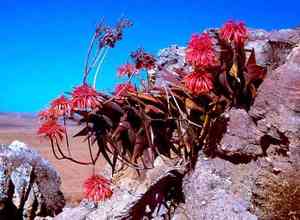
Mitre aloe can be successfully multiplied in the spring and summer seasons, primarily by seeding and taking cuttings. Its propagation presents a moderate challenge, with indicators of success being the development of roots and fresh shoots. Sufficient light exposure and soil that drains properly facilitate this procedure.
Optimal Period for Mitre Aloe Propagation
Propagation Method
Cutting
Propagation Period
Spring,Summer,Autumn
Tools Required for Mitre Aloe Propagation
Sharp, clean pruning shears or a knife
These are vital for making precise cuts from the parent mitre aloe plant without causing undue harm to the plant tissues. A clean cut helps lessen infection risk and promotes better root development in cuttings.
Disinfectant (e.g., isopropyl alcohol or bleach solution)
Used to sanitize cutting implements before and after use. This is crucial for preventing disease transmission between plants, especially when taking multiple cuttings from various mitre aloe plants or other species.
Rooting hormone powder or gel
Applied to the severed end of the mitre aloe cutting to stimulate root development and enhance the likelihood of successful propagation. Rooting hormones contain synthetic auxins that mimic the plant's natural growth hormones.
Cactus or succulent potting mix
Provides the necessary well-draining substrate for mitre aloe cuttings to root without decaying. The coarse sand and organic matter in these specialized mixes create an ideal environment for aloe cuttings.
Small pots or propagation trays
Holds the cactus mix and offers a container where the mitre aloe cuttings can establish roots. They should feature drainage holes to prevent waterlogging, which is detrimental to aloe cuttings.
Plastic wrap or a clear propagation dome
Creates a miniature greenhouse effect around the mitre aloe cuttings to maintain humidity while they develop roots. Humidity helps prevent the cuttings from drying out before they can absorb water from the soil.
Post-Propagation Care for Your Mitre Aloe
Post-Propagation Care for Your Mitre Aloe
Ensure mitre aloe receives ample indirect sunlight and maintain a consistent temperature between 60-75°F (15-24°C). Water only when the soil has completely dried out, as mitre aloe is drought-tolerant and prone to overwatering. Fertilize sparingly during the active growth period. Regularly check for pests and diseases, treating promptly to prevent spread.
Common Errors to Avoid When Propagating Mitre Aloe
Excessive watering of cuttings
Cuttings of mitre aloe are prone to rot when exposed to too much moisture. This error can lead to a fungal infection, causing the cuttings to decay before they can establish roots.
Using unsterilized tools
Propagation requires cutting implements, and using unsterilized ones can introduce pathogens to mitre aloe cuttings or mother plants. This can lead to disease spread and poor establishment of new plants.
Planting cuttings too deeply
Inserting mitre aloe cuttings too far into the soil can cause the base to rot or encourage fungal infections, as it impedes proper air circulation around the stem.
Advice for Propagating Mitre Aloe
Correct cutting technique
Make a clean, angled cut just below a leaf node for mitre aloe to increase the surface area for root growth while minimizing the risk of disease.
Soil choice
Select a well-draining cactus or succulent mix for mitre aloe, which helps prevent overwatering and root rot during the crucial rooting period.
Allowing cuttings to callous
Before planting, let the mitre aloe cuttings dry in a warm, dry place for a few days to form a callous on the cut surface, reducing the risk of rot once planted.



