How to Propagate Aloe brevifolia?
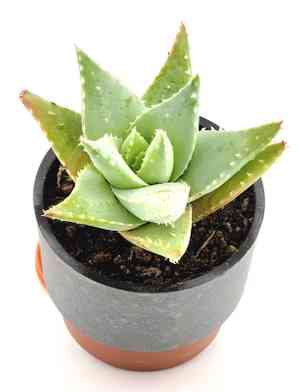
Blue aloe flourishes when reproduced via cuttings, a technique well-suited to its developmental patterns. For optimal blue aloe propagation, choose robust, non-blooming offsets. Sever them with a sanitized, sharp instrument to prevent disease. Permit the cuttings to air-dry and form a callus over several days prior to embedding them in porous soil. This fosters root formation and boosts the overall triumph of propagation. Maintaining low soil humidity initially will deter decay, encouraging a more vigorous beginning for the nascent plants.
Optimal Time for Blue Aloe Propagation
Propagation Method
Cutting
Propagation Period
Spring,Autumn
Tools for Blue Aloe Propagation
Sharp, sterile knife or scissors
These are vital for achieving a clean incision, which is crucial for the well-being and successful propagation of blue aloe. A sterile and sharp instrument minimizes harm to the parent plant and the cutting, reducing infection risk and promoting quicker healing and rooting.
Rooting hormone
This product stimulates root growth at the cut end of blue aloe cuttings. Applying a rooting hormone increases the likelihood of successful rooting, especially important for blue aloe which can sometimes be slow to develop new roots.
Clean pots with drainage holes
Proper drainage is essential for blue aloe to prevent waterlogged conditions that can lead to root rot. Using clean pots helps avoid introducing pathogens that could harm delicate new roots.
Well-draining soil mix
A mix specifically formulated for succulents or cacti is ideal for blue aloe, as it replicates the natural sandy, rocky soil they thrive in. This type of soil ensures adequate drainage and air circulation, which are vital for the newly propagating blue aloe.
Watering can with a fine rose
This tool allows for gentle irrigation that doesnât disturb the soil or newly planted cuttings of blue aloe. Overwatering is a common issue with propagation, and a watering can with a fine rose helps manage the amount of water delivered, reducing the risk of excessive moisture.
Transparent plastic cover or propagation dome
Maintaining a humid environment is beneficial for the rooting of blue aloe cuttings. A propagation dome or a simple transparent plastic cover can help retain moisture and warmth, simulating a mini greenhouse environment.
How to Propagate Blue Aloe?
Propagation Type
Easy
How to Care for Your Newly Propagated Blue Aloe?
How to Care for Your Newly Propagated Blue Aloe?
After propagating blue aloe, water the plant only when the top inch of soil is dry, avoiding overwatering which can lead to root rot. Provide bright, indirect sunlight and minimal feed; use a diluted succulent fertilizer once in the growing season. Ensure pots have good drainage and avoid high humidity environments.
Common Mistakes to Avoid When Propagating Blue Aloe
Overwatering
Watering blue aloe too frequently can lead to root rot, as their roots are adapted to dry conditions. This can severely hinder root development in new propagations, leading to the plant's failure to thrive or even death.
Deep planting
Planting blue aloe's offsets or leaves too deeply can cause them to rot before they have a chance to root properly. Blue aloe needs only shallow planting to encourage rooting without the risk of fungal infections.
Neglecting to let cuttings dry
Cutting blue aloe and immediately planting without allowing the cut surface to dry and callous can invite fungal infections and rot, impairing the development of new roots.
Using poor draining soil
Using soil that does not drain well will retain excessive moisture around blue aloe's roots, which is detrimental given its preference for dry conditions and can lead to root rot.
Tips For Propagating Blue Aloe
Appropriate watering
Water blue aloe minimally when propagating. Until roots are established, ensure the soil is mostly dry before watering again to mimic their natural arid environment.
Shallow planting
Plant offsets or leaf cuttings of blue aloe shallowly. Cover the base lightly with soil, ensuring not to bury them deeply, which facilitates quicker root establishment and prevents rot.
Allowing cuttings to dry
After taking cuttings of blue aloe, leave them to dry for a few days until the cut surfaces callous over. This process protects against rot and infections, promoting healthier root development.
Use well-draining soil
Employ a well-draining soil mix, ideally with components like coarse sand or perlite. This ensures excess water drains quickly and efficiently, mimicking blue aloe's natural growing conditions and preventing waterlogged roots.



