How to Propagate Alocasia reginula?
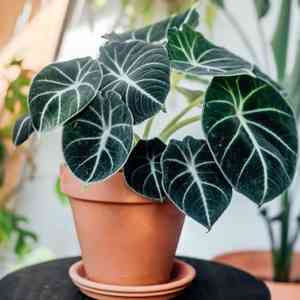
Alocasia reginula flourishes most effectively when reproduced via separation, a technique particularly appropriate for this variety. Cultivators ought to gently detach the plantlets from the primary specimen during repotting, making certain each segment possesses adequate root structure. This strategy fosters vigorous development and preserves the visual appeal of alocasia reginula, yielding sturdy new specimens that closely mirror the original.
What Is the Best Time To Propagate Alocasia Reginula?
Propagation Type
Separation
Propagation Season
Spring,Autumn
What Tools Are Used in Alocasia Reginula Propagation?
Sharp, sterilized knife or scissors
These instruments are employed to carefully separate the root ball of alocasia reginula, minimizing harm to the root system. A sharp blade facilitates clean cuts, vital for reducing plant stress and potential infections. Sterilization prevents disease transmission between plants.
Disinfectant (e.g., isopropyl alcohol or bleach solution)
This substance is utilized to sanitize cutting tools both before and after the division process. Employing a disinfectant helps eliminate pathogens that could cause disease in alocasia reginula, thereby ensuring the health and viability of the new plants.
Watering can with a fine rose attachment
Following alocasia reginula propagation, gentle irrigation is essential. A watering can equipped with a fine rose attachment ensures a soft, even water distribution that will not disturb the newly planted divisions. Proper hydration is crucial for the recovery and growth of alocasia reginula post-propagation.
Rooting hormone (optional)
Applying a rooting hormone to the severed root sections can enhance root development in alocasia reginula. This is particularly beneficial if the divisions appear weak or less vigorous. It promotes faster establishment and a higher success rate for the propagated plants.
Well-draining potting mix
A suitable growing medium is critical for the new alocasia reginula divisions. A well-draining potting mix ensures adequate moisture retention and drainage, providing an optimal environment for root growth and preventing issues like root rot.
Pots or containers with drainage holes
These are necessary to house each alocasia reginula division separately, allowing for individual care and growth. Pots with drainage holes help manage water levels, which is crucial for preventing excess moisture and associated root diseases.
How to Propagate Alocasia Reginula?
Propagation Type
Simple
How to Care for Your Newly Propagated Alocasia Reginula?
How to Care for Your Newly Propagated Alocasia Reginula?
After propagation, position alocasia reginula in a spot receiving bright, indirect light and maintain high humidity around the plant. Avoid direct sunlight, which can scorch the leaves. Water alocasia reginula when the top inch of soil feels dry, and apply a diluted liquid fertilizer every 4-6 weeks during active growth periods. Ensure good air circulation around alocasia reginula to prevent fungal issues.
Common Mistakes to Avoid When Propagating Alocasia Reginula
Overwatering
Excessive watering is a common error with alocasia reginula. This can lead to root rot, which is detrimental as the plant's roots are particularly sensitive to too much moisture.
Using poor drainage mediums
Employing a potting mix that lacks proper drainage can cause water to accumulate around the roots of alocasia reginula, leading to similar problems as overwatering, such as root rot and fungal infections.
Improper division
When propagating alocasia reginula by division, failing to ensure each division has sufficient roots can result in poor establishment and growth of the new plants. Divisions require a healthy amount of roots to thrive.
Tips For Propagating Alocasia Reginula
Adequate humidity
Maintain high humidity levels around alocasia reginula during propagation. This supports better root and leaf development because alocasia reginula thrives in moist conditions.
Use a well-draining mix
Plant alocasia reginula in a well-draining potting medium, such as a blend of peat, perlite, and bark. This ensures that the roots receive necessary air circulation and moisture without becoming waterlogged.
Careful division
When dividing alocasia reginula, ensure you use a clean, sharp knife and that each section possesses adequate roots and at least one growth point. This guarantees the health and vitality of each new plant.



