How to Propagate Elephant's ear?
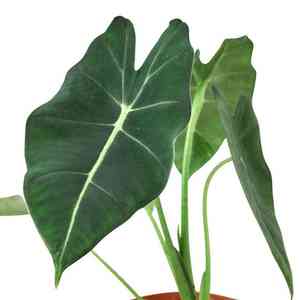
Alocasia, a perennial tropical species, is recognized for its expansive, arrow-shaped foliage. To multiply alocasia, utilize its tubers, which are subterranean storage organs. During the process of repotting, meticulously detach tubers from the parent plant once they have established their own root systems. Embed them in a growing medium that drains effectively and is abundant in organic material, ensuring elevated humidity and diffused illumination for peak development. Careful manipulation is essential to prevent harm to the fragile roots and to guarantee the thriving establishment of new specimens.
Optimal Period for Elephant's Ear Propagation
Propagation Method
Utilize The Tubers
Propagation Period
Spring
Tools Required for Elephant's Ear Propagation
Sharp Knife or Scissors
These are vital for making clean cuts when separating tubers from the parent elephant's ear plant. A clean cut helps prevent disease and reduces stress on the tuber, increasing its chances for successful rooting and growth. Sterilized, sharp cutting tools minimize the risk of pathogen infection, which is critical during the delicate initial stages of propagation.
Potting Mix
A premium, well-draining potting medium is essential for tuber propagation of elephant's ear. The mix should be airy and rich in organic matter to support the tubers' initial growth by providing necessary nutrients and moisture retention, while also allowing excess water to drain, preventing rot.
Containers
Appropriate containers are important for housing the newly planted tubers. They must have sufficient drainage holes to prevent water accumulation and encourage healthy root development. The container size should accommodate root growth without being excessively large, which could lead to waterlogging.
Rooting Hormone
Applying a rooting hormone to the cut surfaces of the tubers can significantly boost the rooting success of elephant's ear. The hormone encourages faster root formation, helping the tubers establish and grow more efficiently, leading to healthier and more vigorous plants.
Grow Lights or Indirect Sunlight
Proper illumination is crucial for elephant's ear propagation. If propagating indoors, grow lights can provide the necessary light spectrum. Alternatively, placing the plant in a spot with indirect sunlight will ensure it receives adequate light without the harshness of direct sun, which could harm young shoots and leaves.
Humidity Dome or Plastic Wrap
Maintaining a high humidity environment is beneficial for the initial growth phase of elephant's ear's tubers. A humidity dome or loosely placed plastic wrap over the planting container can help retain moisture and warmth, creating a microenvironment conducive to root growth and development.
Caring for Your Newly Propagated Elephant's Ear
Caring for Your Newly Propagated Elephant's Ear
Post-propagation, consistent care is vital for the healthy growth of elephant's ear. Keep the plant in indirect light and maintain high humidity. Water regularly to keep the soil moist but not waterlogged. Fertilize sparingly during the growing season and reduce feeding in the dormant winter months. Frequently check for pests and diseases to address any issues promptly, ensuring robust growth for your elephant's ear.
Common Errors to Avoid When Propagating Elephant's Ear
Overwatering
Excessive watering during propagation can lead to root rot and fungal diseases, which are detrimental to elephant's ear's health.
Using poor substrate
A substrate that doesn't drain well or lacks essential nutrients can hinder root development, weakening the overall health of elephant's ear.
Propagation from weak cuttings
Utilizing diseased or damaged cuttings may not root or grow into healthy elephant's ear plants, wasting time and effort.
Ignoring pest inspection
Failing to check for pests before propagation can spread infestations to new elephant's ear plants and negatively impact their growth.
Inadequate humidity
Elephant's ear requires high humidity to stimulate root growth during propagation; insufficient humidity can cause the cuttings to dry out and fail.
Tips For Propagating Elephant's Ear
Correct moisture levels
Maintaining slightly moist soil without waterlogging promotes healthy root development for elephant's ear.
Use of a well-draining substrate
A mix of peat, perlite, and potting soil ensures good aeration and drainage, key for elephant's ear root establishment.
Selection of healthy parent plants
Choose robust and disease-free specimens to take cuttings from, maximizing the success rate of propagating elephant's ear.
Pest and disease inspection
Thoroughly inspecting for pests and diseases before propagation helps ensure the health and vigor of new elephant's ear plants.
Maintain high humidity
Creating a humidity-rich environment by covering the cuttings with a plastic bag or using a humidity dome helps in the successful rooting of elephant's ear.



