How to Propagate Elephant's ear?
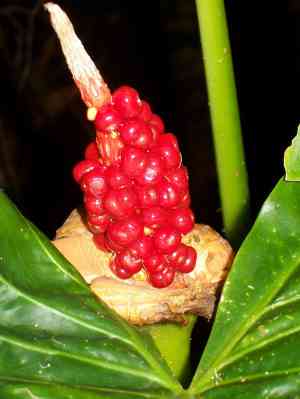
Alocasia is multiplied through segmentation, a method where the primary specimen is meticulously divided into smaller portions, with each segment retaining a piece of the underground stem and multiple leaves. To ensure effective multiplication, it is crucial to employ a keen, sanitized blade to lessen harm and the possibility of illness. Following segmentation, embed the portions in a potting blend that drains efficiently and sustain uniform dampness without excessive watering to foster root formation. Supplying filtered illumination and elevated temperatures will aid the establishment of fresh plants.
What Is the Best Time To Propagate Elephant's Ear?
Propagation Type
Splitting
Propagation Season
Spring,Autumn
What Tools Are Used in Elephant's Ear Propagation?
Sharp, sterile knife or gardening shears
Crucial for cleanly and safely separating the root ball of elephant's ear. A sharp implement minimizes root damage, reducing plant stress and helping prevent pathogen infection. Sterilization is vital to avoid introducing diseases to fresh cuts.
Gardening gloves
Protects hands during the propagation process, especially when handling elephant's ear's large, potentially unwieldy roots and foliage. Gloves also prevent direct contact with sap or soilborne irritants.
Watering can with a gentle shower head
Used to water elephant's ear after transplanting divisions, aiding recovery and root establishment. The gentle shower head ensures soft water distribution over the soil without disturbing newly planted divisions or washing away soil.
Rooting hormone (optional)
While not always essential, applying a rooting hormone to the cut surfaces of elephant's ear's roots can promote faster root development and improve overall propagation success.
Well-draining potting mix
Crucial for the health of elephant's ear's roots post-propagation. A well-draining mix prevents waterlogging, which is detrimental to root health and can lead to rot, ensuring a healthy start for new plants.
Pots with drainage holes
These are necessary to house the new divisions of elephant's ear, facilitating healthy drainage and providing ample space for root growth. Drainage holes help prevent excess water retention in the soil, a critical factor in avoiding root rot.
How to Propagate Elephant's Ear?
Propagation Type
Simple
How to Care for Your Newly Propagated Elephant's Ear?
How to Care for Your Newly Propagated Elephant's Ear?
After propagating elephant's ear, continue to provide care that supports healthy growth. Maintain high humidity by misting the plant regularly or using a humidity tray. Water when the top inch of soil feels dry but avoid waterlogging. Fertilize monthly with a balanced, diluted liquid fertilizer during the growing season. Monitor for pests such as spider mites and treat promptly if necessary. Allow elephant's ear to adapt gradually to more direct light and typical room conditions over several weeks.
Common Mistakes to Avoid When Propagating Elephant's Ear
Overwatering
Causes root rot, leading to a weakened or dead elephant's ear.
Underwatering
Leads to dryness and stress, inhibiting root development in elephant's ear.
Too much direct sunlight
Can scorch the leaves, resulting in stress and stunted growth of elephant's ear.
Using poor draining soil
Can lead to waterlogging and root diseases in elephant's ear.
Ignoring pests
Pests can quickly escalate to severe infestations, damaging or killing elephant's ear.
Tips For Propagating Elephant's Ear
Moisture control
Keep soil consistently moist but not soggy to encourage root growth in elephant's ear.
Indirect sunlight
Provide bright, indirect light for optimal growth without leaf burn in elephant's ear.
Adequate humidity
Maintain high humidity around elephant's ear to replicate its natural environment.
Sterile tools
Use sterilized cutting tools to prevent disease transmission during propagation of elephant's ear.
Proper soil mix
Use a well-draining soil mix that supports moisture retention without becoming waterlogged for elephant's ear.



