How to Propagate Hazel alder?
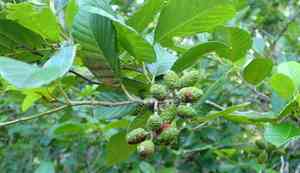
Alnus serrulata can be successfully multiplied using stem sections. Cultivators ought to choose robust, uninfected shoots for these sections to maximize the likelihood of successful root formation. Employing a rooting stimulant is crucial for fostering root growth, and the cuttings should be placed in a potting blend that drains efficiently. Steady hydration and diffused light encourage prime development throughout the propagation period.
Optimal Period for Hazel Alder Propagation
Propagation Method
Cutting
Propagation Period
Autumn,Winter
Equipment for Hazel Alder Propagation
Sharp Pruning Shears
These are vital for obtaining clean, precise cuttings from hazel alder. Sharp blades minimize harm to the parent plant and boost the chances of cutting survival and root formation. A clean cut helps prevent infections and promotes quicker healing and rooting.
Rooting Hormone Powder or Gel
Rooting hormone speeds up root development in hazel alder cuttings. Applying a rooting hormone to the cut end of the cutting before planting can significantly increase the likelihood of successful rooting, which is vital for hazel alder given its woody stem structure.
Sterilized Potting Mix
A well-draining, sterile potting mix offers the perfect environment for hazel alder cuttings to root. It lowers the risk of soil-borne diseases affecting the new cuttings while retaining enough moisture to support root growth without causing waterlogging.
Propagation Trays or Small Pots
Suitable for housing individual hazel alder cuttings under controlled conditions. These containers should have adequate drainage and be large enough to accommodate growth until the cuttings can be transplanted.
Misting Bottle
Provides gentle moisture to hazel alder cuttings, crucial for preventing desiccation. Regular misting helps maintain optimal humidity around the cutting, enhancing rooting and initial growth without overwatering.
Heat Mats (Optional)
For propagators in cooler climates, heat mats can provide gentle warmth to stimulate root growth in hazel alder cuttings. Consistent bottom heat can be a pivotal factor in enhancing the rooting success rate, especially during colder months.
How to Propagate Hazel Alder?
Propagation Type
Moderately Difficult
Caring for Newly Propagated Hazel Alder
Caring for Newly Propagated Hazel Alder
Once rooted, gradually introduce hazel alder to outdoor conditions if outdoor planting is intended. Maintain consistent moisture without overwatering and shield from extreme temperatures. As hazel alder matures, periodically enrich the soil with organic matter and prune as needed to maintain shape and encourage growth.
Common Errors to Avoid When Propagating Hazel Alder
Ignoring soil conditions
If gardeners don't provide well-draining, moist soil, they risk poor root development in hazel alder. This species thrives in boggy, nutrient-rich areas; thus, unfavorable soil can stress the plant, inhibiting growth and propagation success.
Inadequate water management
Either overwatering or under-watering can lead to root rot or dehydration respectively for hazel alder. Consistent moisture is crucial, especially during the rooting phase.
Neglecting cutting health
Using diseased or weak cuttings for propagation might fail because unhealthy cuttings are less likely to root and more susceptible to stress and pests, leading to poor or no growth.
Not using rooting hormones
Skipping this step can lead to significantly lower rooting success rates. Rooting hormones help to stimulate root growth, which is vital for the successful establishment of new plants.
Tips For Propagating Hazel Alder
Select healthy parent plants
Always choose vigorous, disease-free plants for taking cuttings. Healthy parent material increases the likelihood of successful propagation.
Use semi-hardwood cuttings
Taking cuttings from semi-hardwood at the correct maturity stage helps ensure better rooting potential and survival rate for hazel alder.
Maintain high humidity
Keeping the environment around hazel alder adequately humid supports the rooting process. This can be achieved by using a humidity dome or misting the cuttings regularly.
Regularly monitor soil moisture
Ensure the soil remains consistently moist but not waterlogged. Moisture levels are critical to support initial root formation without causing root diseases.



