How to Propagate Red alder?
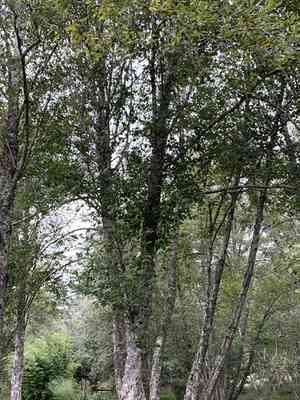
Red alder is most effectively propagated in fall and winter utilizing dormant stem sections, air layering, and seed dispersal. The ease of propagation differs, yet successful reproduction is evident when fresh shoots appear from the cutting or from the foundation of the parent plant. It is crucial to keep the cuttings hydrated and shield them from direct sunlight.
What Is the Best Time To Propagate Red Alder?
Propagation Type
Cutting
Propagation Season
Autumn,Winter
What Tools Are Used in Red Alder Propagation?
Sharp Pruning Shears or Scalpel
These instruments are vital for taking red alder cuttings. Keen blades guarantee a clean cut, minimizing harm to the parent plant's tissue and boosting the likelihood of cuttings rooting. A precise cut helps avert disease and encourages quicker healing.
Rooting Hormone
This compound promotes root development from red alder cuttings. It can significantly elevate the success rate of cuttings by enhancing root formation and should be applied to the base of cuttings prior to planting.
Sterile Potting Mix
Utilizing a pathogen-free soil medium prevents the introduction of harmful agents that could damage red alder cuttings. A well-draining, nutrient-rich potting blend also ensures an optimal environment for root establishment.
Propagation Trays or Pots
These serve as initial containers for rooting red alder cuttings. They must possess sufficient drainage holes to prevent waterlogging and be spacious enough to accommodate new root growth without overcrowding.
Plastic Bags or Humidity Domes
Used to establish a high-humidity environment around red alder cuttings, these tools maintain moisture levels and reduce water loss from the leaves, helping to prevent the cuttings from drying out before they can root.
Heating Mats (optional)
For propagating red alder in cooler climates or seasons, heating mats can elevate the soil temperature to an ideal range, fostering quicker root growth and enhancing the overall propagation success rate.
Misting Bottle or System
Red alder cuttings require consistent moisture for successful rooting. A misting bottle or system can help maintain humidity and soil moisture without overwatering, which is crucial for delicate new roots.
How to Care for Your Newly Propagated Red Alder?
How to Care for Your Newly Propagated Red Alder?
Once rooting is established, verifiable by a gentle tug on the cutting, gradually acclimatize the new red alder plant to the outdoor environment by removing the plastic cover and exposing it to more direct light and varied temperatures. Transplant to a larger container or a prepared site with rich, acidic, and well-drained soil. Provide regular irrigation to keep the soil moist, especially during dry spells, and apply a balanced fertilizer according to the specific needs of red alder. As it matures, red alder may require additional support structures due to its growth habit. Pruning and thinning can be performed to maintain the desired shape and size.
Common Mistakes to Avoid When Propagating Red Alder
Overwatering
Excessive watering can lead to root rot in red alder, which is sensitive to too much moisture. Allowing the soil to become saturated can suffocate the roots, diminishing the plant's ability to absorb nutrients and oxygen, ultimately resulting in poor health or death of the plant.
Ignoring soil ph
The pH level of the soil is crucial for red alder, which prefers acidic conditions. Planting in alkaline soil without amendments can impede nutrient uptake and reduce the plant's vigor, leading to stunted growth and a lower rate of successful propagation.
Planting seeds too deeply
Red alder seeds need light to germinate, so planting them too deep may prevent them from receiving adequate sunlight, leading to unsuccessful germination.
Neglecting pre-treatment
Red alder seeds possess a tough outer coating, and failing to pre-treat them through stratification or scarification can result in poor germination rates, as these treatments mimic the natural process of seed coat weakening.
Tips For Propagating Red Alder
Mimic natural habitat
Recreating the natural environment by providing well-draining, acidic soil and sufficient moisture without overwatering improves the chances of successful red alder propagation.
Seed stratification
Stratifying red alder seeds by simulating winter conditions can break seed dormancy and enhance germination rates. This can be achieved by moist chilling the seeds for a period before sowing.
Soil moisture balance
Maintaining a balanced soil moisture level is vital for red alder. The soil should remain consistently moist but not waterlogged to support healthy root development.
Light sowing
Sow red alder seeds on the soil surface or cover them lightly with soil to ensure they receive enough light for effective germination.



