How to Propagate East Asian alder?
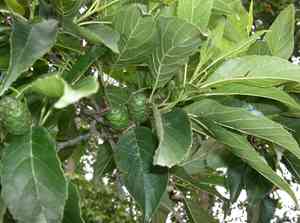
East Asian alder flourishes when reproduced via cuttings, an uncomplicated technique ideal for beginner horticulturists. Peak development is attainable by choosing robust, pathogen-free limbs for preparing the cuttings. These ought to be inserted into a damp, free-draining substrate to aid root formation, ensuring they are kept in a regulated setting to preserve moisture and warmth, which are vital for successful rooting.
When Is the Optimal Time to Propagate East Asian Alder?
Propagation Method
Cutting
Propagation Period
Autumn,Winter
What Tools Are Necessary for East Asian Alder Propagation?
Sharp Pruning Shears
These are crucial for obtaining clean, precise cuts from east Asian alder. Sharp blades ensure smooth, non-jagged cuts, minimizing harm to the parent plant and promoting faster healing. Clean cuts also help prevent infection in cuttings, supporting successful rooting.
Rooting Hormone
This chemical compound encourages root development from east Asian alder cuttings. Applying rooting hormone to fresh cuttings helps accelerate root formation, increasing the likelihood of successful propagation. Rooting hormones come in gel, powder, or liquid forms and can significantly impact the rooting success rate of east Asian alder.
Sterile Potting Mix
A sterile potting mix is essential for providing a disease-free environment for new east Asian alder cuttings to root. A high-quality potting mix ensures proper aeration and moisture retention, vital for root development. Sterility is crucial to avoid pathogens that could harm vulnerable cuttings.
Propagation Trays
Used to hold east Asian alder cuttings in a stable, organized manner. These trays help maintain the necessary humidity and temperature conditions, which are critical for the rooting process. Some trays include covers to better manage these environmental factors.
Humidity Domes
Placed over propagation trays, these domes help create a consistently humid environment around east Asian alder cuttings. High humidity is essential to prevent cuttings from drying out before they develop roots. Humidity domes also aid in maintaining stable temperature conditions.
Heat Mats
These provide gentle warmth that can stimulate root development in east Asian alder cuttings during cooler periods. By maintaining a consistent optimal bottom temperature, heat mats help improve the rooting percentage and accelerate the propagation process.
How to Propagate East Asian Alder?
Propagation Difficulty
Moderately Difficult
How to Care for Your Newly Propagated East Asian Alder?
How to Care for Your Newly Propagated East Asian Alder?
Once east Asian alder cuttings have established roots, gradually acclimate them to less humid conditions by removing the plastic cover or humidity dome over a week. Transplant them into larger pots or their final location, ensuring the soil is well-drained but remains moist. East Asian alder prefers full to partial sun and requires regular watering, especially during dry spells. Monitor for pests and diseases, and apply a balanced fertilizer each spring to support healthy growth.
Common Errors to Avoid When Propagating East Asian Alder
Overwatering
Excessive watering can lead to root rot and fungal infections in east Asian alder. This is because east Asian alder prefers well-drained soil, and too much moisture can hinder root oxygenation, leading to poor plant health and potential death.
Deep planting
Planting cuttings or seeds too deeply can impede east Asian alder's ability to sprout effectively. This error restricts necessary air and light from reaching the germinating seed or rooting cutting, which can delay or prevent propagation.
Neglecting humidity for cuttings
Failing to maintain a humid environment for east Asian alder cuttings can cause them to dry out before they establish roots. This lack of humidity often results in unsuccessful propagation attempts, as east Asian alder cuttings require consistent moisture to root successfully.
Tips For Propagating East Asian Alder
Use semi-hardwood cuttings
For successful propagation, utilize semi-hardwood cuttings from east Asian alder. These are typically more robust and have a higher rooting success rate compared to softwood cuttings. Cuttings should be taken from healthy branches to ensure the best start.
Sterile equipment
Always use sterile equipment when cutting or handling east Asian alder to prevent introducing pathogens to the cuttings or seeds. This precaution helps prevent diseases that can significantly reduce propagation success.
Soil preparation
Ensure the soil is well-draining and rich in organic matter before planting east Asian alder seeds or cuttings. Proper soil preparation helps provide the necessary support and nutrients for the initial growth stages of east Asian alder.
Humidity control
Maintaining appropriate humidity levels is crucial when rooting east Asian alder cuttings. Using a humidity dome or regularly misting the cuttings can create an ideal environment for root development.



