How to Propagate Black alder?
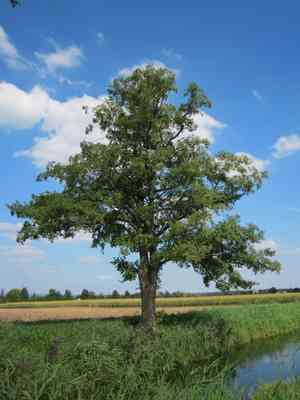
Alnus glutinosa can be reproduced using several techniques, such as dormant stem cuttings, aerial layering, and seed dispersal. These procedures are most effectively carried out during the fall and winter seasons. The level of challenge in propagation differs based on the technique employed, with seed sowing presenting the least difficulty. Indicators of successful propagation encompass the emergence of new roots and vigorous young sprouts. Essential advice involves selecting robust parent specimens and guaranteeing adequate soil hydration.
Optimal Period for Black Alder Propagation
Propagation Method
Cutting
Propagation Season
Autumn,Winter
Tools Required for Black Alder Propagation
Sharp Pruning Shears
Pruning shears are essential for taking cuttings from black alder. A sharp blade ensures a clean cut that minimizes damage to the parent plant and cutting, promoting faster healing and reducing the risk of infection.
Rooting Hormone
Applying rooting hormone to the base of black alder cuttings enhances root development, improving the chances for successful propagation. It stimulates root growth for cuttings that might otherwise struggle to establish.
Sterile Potting Mix
Sterile potting mix provides a pathogen-free environment that is critical for the delicate phase of black alder root establishment. It minimizes the risk of soil-borne diseases affecting the cuttings.
Propagation Tray
A propagation tray is suitable for planting multiple black alder cuttings in an organized manner, allowing for efficient use of space and consistent care during the rooting phase.
Clear Plastic Dome or Bags
Maintaining high humidity around black alder cuttings is key for their survival. A clear plastic dome or bags trap moisture and create a conducive microclimate for rooting.
Heat Mat
A heat mat helps maintain a consistent and optimal bottom temperature, encouraging root growth in black alder cuttings, especially important in cooler climates or seasons.
Watering Can with a Fine Rose
Gentle watering is necessary to keep the potting mix moist without disturbing the black alder cuttings. A watering can with a fine rose provides delicate irrigation, helping to prevent soil compaction or washing away the cuttings.
Post-Propagation Care for Black Alder
Post-Propagation Care for Black Alder
Once roots are established, gradually acclimate the black alder to outdoor conditions by providing some direct sunlight and exposing it to the elements for longer periods each day. When the plant shows new growth, transplant it into its final growing location with full sun or partial shade. Black alder enjoys moist soil, so ensure that the site does not dry out completely. As a riparian species, black alder can tolerate, and often thrives in, wet soil conditions and can also improve soil quality by fixing nitrogen through its root nodules.
Common Errors to Avoid When Propagating Black Alder
Improper cutting selection
Using older or diseased wood rather than healthy semi-hardwood can lead to poor rooting and potential disease transfer.
Excessive water
Overwatering cuttings or seedbeds can cause rot and fungal diseases, undermining the health of the propagules.
Ignoring soil composition
Using a poorly draining soil mix can lead to waterlogging, which hampers root development and could kill the cutting or seedling.
Neglecting humidity levels
Failing to maintain adequate humidity around the cuttings may result in desiccation and failure to root.
Planting depth errors
Planting black alder seeds or cuttings too deeply can restrict oxygen availability and hinder germination or rooting.
Advice for Propagating Black Alder
Healthy cutting selection
Choose healthy, vigorous semi-hardwood stems from black alder to ensure better rooting and disease resistance.
Balanced moisture
Keep the soil moist but not waterlogged to provide optimal conditions for root development without causing rot.
Soil composition and drainage
Use a well-draining soil mix to prevent waterlogging and promote a strong root system for black alder.
Maintain humidity
Use a humidity dome or plastic bag to encase the cuttings and retain moisture, ensuring they don't dry out.
Appropriate planting depth
Plant black alder seeds or cuttings at a shallow depth to ensure proper exposure to necessary oxygen and light.



