How to Propagate Ramson?
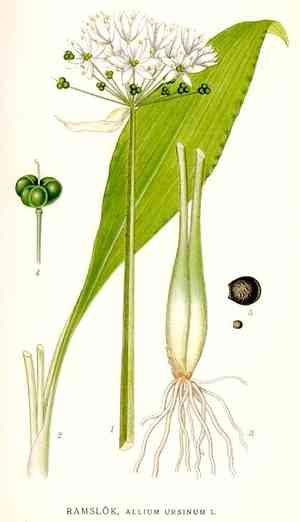
Wild garlic flourishes when multiplied via its inherent technique of employing bulbs. For successful cultivation, cultivators ought to embed these bulbs in fertile, damp earth, guaranteeing sufficient spacing to avert excessive density. Since wild garlic favors shaded to partially shaded environments, selecting an appropriate spot is vital for peak maturation. Consistent irrigation and periodic nourishment with a balanced plant food will foster vigorous expansion. Careful handling of the bulbs is imperative to preserve their soundness prior to embedding.
Optimal Time for Ramson Propagation?
Propagation Method
Utilize The Tubers
Propagation Period
Spring
Tools for Ramson Propagation?
Garden Trowel
A garden trowel is vital for digging and working the soil around ramson during tuber planting. It allows for precise control when making holes or trenches for the tubers, ensuring they are planted at the correct depth without harm. Its ergonomic handle and durable blade make it perfect for the typically damp environments where ramson flourishes.
Watering Can with a Fine Rose
This tool is essential for gently and uniformly watering ramson after tuber planting. The fine rose attachment helps distribute water evenly without disturbing the soil or exposing the newly planted tubers. Proper hydration is crucial during early growth to ensure successful root establishment and development.
Organic Mulch
Applying a layer of organic mulch around the planting area helps maintain soil moisture and temperature, creating an ideal growing environment for ramson. Mulch also suppresses weed growth, which can compete with ramson for nutrients and space. Additionally, as the mulch breaks down, it enriches the soil, thereby enhancing the overall health and growth of ramson.
Label Stakes
These are useful for marking tuber planting locations. Label stakes aid in monitoring ramson's growth progress and ensure the planting area is properly maintained and not accidentally disturbed during subsequent garden tasks. They are especially helpful in organized cultivation to track different planting dates and varieties, if applicable.
Caring for Your Newly Propagated Ramson?
Caring for Your Newly Propagated Ramson?
Post-propagation, keep the soil around ramson consistently damp but avoid overwatering to prevent rot. Ramson thrives in cooler, moist conditions, so ensure the area doesn't dry out, especially during arid periods. No extra fertilizer is usually needed if planted in rich, organic soil. Watch for pests like slugs, particularly in spring. As ramson is a perennial, it will return and spread annually, gradually forming a dense carpet that may need thinning every 3-4 years to maintain vigor.
Common Errors to Avoid When Propagating Ramson
Overwatering
Excessive watering can cause root rot in ramson, as their bulbs are sensitive to too much moisture. This can significantly reduce survival rates during and after propagation.
Deep Planting
Planting the bulbs too deeply can hinder ramson's growth by preventing shoots from efficiently reaching the surface, ultimately stunting the plant's development.
Ignoring Cluster Division
Failing to divide clusters regularly may lead to overcrowding, which can reduce nutrient availability and space, impeding ramson's overall health and bloom production.
Using Poor Soil
Using unfertilized or poorly draining soil can impede ramson's growth, as it requires nutrient-rich and well-draining substrates to flourish.
Tips For Propagating Ramson
Bulb Division
Dividing ramson bulbs every few years helps maintain vigorous growth and prevents overcrowding. It also ensures each new plant has adequate space and resources to grow.
Proper Depth and Spacing
Planting bulbs at the correct depth, typically just a few centimeters below the surface, and spacing them appropriately allows for optimal growth conditions.
Moisture Management
Maintaining balanced soil moisture is crucial. The soil should be moist but not waterlogged to support healthy ramson growth without risking root diseases.
Nutrient-rich Soil
Enriching the soil with organic matter or using high-quality compost provides the necessary nutrients for ramson to establish and grow healthily.



