How to Propagate Chives?
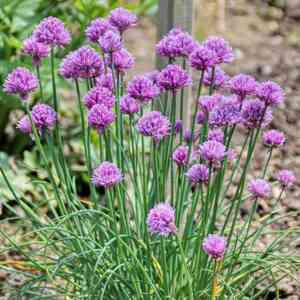
Chives are generally multiplied in the spring season utilizing their tubers. This technique is quite straightforward, and indicators of success encompass the emergence of new sprouts and root development. Verify appropriate planting depth to foster robust propagation.
What Is the Best Time To Propagate Chives?
Propagation Type
Utilize The Tubers
Propagation Season
Spring
What Tools Are Used in Chives Propagation?
Garden Trowel
Crucial for excavating small holes and relocating chives divisions, a garden trowel enables careful handling of the tubers to avoid harm.
Sharp Scissors or Pruning Shears
Employed for neatly severing chives roots or leaves when separating clumps to guarantee minimal damage and lessen disease risk.
Watering Can with Fine Rose
Offers a gentle method to hydrate chives post-planting, vital for ensuring adequate moisture without displacing or oversaturating the tubers.
Soil Knife
Can be utilized to precisely and easily divide the chives root clump, ensuring each division possesses sufficient roots for successful propagation.
Label Marker
Assists in tracking the chives variety and specific care requirements by marking the divisions, which is essential for proper post-propagation care and monitoring.
Misting Spray Bottle
Generates a humid microclimate perfect for the initial establishment of the divided chives tubers, fostering root development without excessive watering.
How to Propagate Chives?
Propagation Type
Utilize The Tubers
Difficulty Level
Easy
How to Care for Your Newly Propagated Chives?
How to Care for Your Newly Propagated Chives?
Ensure chives plants are situated in an area receiving full sun to partial shade. Water regularly to keep the soil moist, especially during dry spells. Chives prefers rich soil, so fertilize with a balanced liquid feed every 4-6 weeks during the active growth period. Remove spent flowers to prevent self-seeding and encourage denser growth. In winter, trim back the foliage and apply mulch to shield the plants from freezing temperatures. Divide clumps every 3-4 years to maintain vigor.
Common Mistakes to Avoid When Propagating Chives
Overcrowding
Planting chives too close together may impede growth due to competition for nutrients and light, leading to poor development and increased disease susceptibility.
Excessive watering
While establishing chives's root system is important, too much water can lead to root rot, which is detrimental to the plant's overall health and its propagation success.
Ignoring soil composition
Using a soil mix that lacks good drainage may result in waterlogging and root diseases in chives, thereby negatively impacting growth.
Neglecting division
Failing to divide chives every few years can lead to overcrowding and reduced vigor. This also decreases the number of viable plants obtained through propagation.
Tips For Propagating Chives
Division technique
Dividing chives clumps in early spring or after blooming allows for better root establishment and minimizes plant stress, enhancing propagation success.
Adequate spacing
Providing sufficient space between chives when planting ensures proper air circulation and access to nutrients, promoting healthier growth and easier propagation.
Balanced moisture
Maintaining consistent moisture levels without waterlogging the soil encourages healthy root development in chives, crucial for successful propagation.
Soil preparation
Using a well-draining soil mix enriched with organic matter helps chives to establish a healthy root system, necessary for effective propagation.



