How to Propagate Naples garlic?
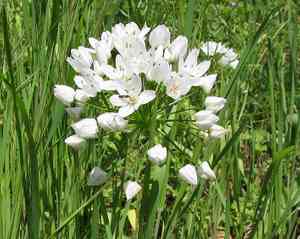
Hailing from the Mediterranean region, naples garlic reproduces via its subterranean components. Cultivators prefer to separate these corms to initiate fresh groupings. The detached corms ought to be positioned at a level where their uppermost part rests just beneath the soil line within a free-draining substrate to foster growth. Sufficient hydration to keep the soil damp without saturation encourages robust root formation. This technique, both efficient and uncomplicated, enables the groupings to take root and progressively expand, leading to a more abundant exhibition of naples garlic's distinctive white flowers.
Optimal Time for Naples Garlic Propagation
Propagation Method
Utilize The Tubers
Propagation Period
Spring
Tools for Naples Garlic Propagation
Garden Trowel
A garden trowel is vital for excavating and relocating naples garlic tubers. Its slender blade is perfect for navigating around roots without harm, enabling careful handling and effective placement of tubers in the soil.
Planting dibber
This instrument is employed to create appropriately sized holes in the soil for naples garlic tubers. Its tapered form allows for making holes of ideal depth, fostering optimal root development and plant stability during establishment.
Watering Can with a Fine Rose
A watering can equipped with a fine rose attachment is essential for delivering a gentle, uniform water supply. This aids in settling the soil around the tubers without causing erosion or dislodging the newly planted naples garlic tubers.
Mulching Material
Mulch assists in maintaining moisture levels and temperature surrounding naples garlic tubers. It also helps suppress weed growth, which can compete with young plants for nutrients and space, thereby ensuring better growing conditions.
Rooting Hormone Powder
While not always necessary, applying a rooting hormone to naples garlic tubers can enhance root development and improve the overall propagation success rate, especially in controlled or challenging environments.
Caring for Newly Propagated Naples Garlic
Caring for Newly Propagated Naples Garlic
Post-propagation, continue to water naples garlic moderately, allowing the soil to slightly dry between waterings. Ensure the plant receives full to partial sunlight for optimal growth. During the growing season, apply a phosphorus-rich fertilizer to promote vibrant flower production. Protect naples garlic from severe frosts by mulching in autumn or covering during unexpected cold snaps. Regular monitoring for pests and diseases is essential, as naples garlic can be susceptible to common bulb ailments.
Common Errors to Avoid When Propagating Naples Garlic
Overwatering
Excessive watering of naples garlic can lead to root rot. The bulbs require well-drained soil and can succumb to fungal infections if kept too moist.
Planting depth errors
Planting naples garlic bulbs either too shallow or too deep can hinder proper growth. Deeply planted bulbs might not emerge, while shallow ones can be exposed to elements or pests.
Ignoring clump division
Failing to divide naples garlic clumps every few years can result in overcrowding. Overcrowded clumps may exhibit stunted growth and reduced flowering.
Neglecting soil quality
Not enriching the soil with organic matter can lead to poor nutrition for naples garlic, impacting its growth and blooming. Healthy soil contributes to vigorous plants.
Advice for Propagating Naples Garlic
Proper planting depth
Ensure naples garlic bulbs are planted at the correct depth, typically three times the bulb's height, to provide optimal conditions for root and shoot development.
Soil drainage
Plant naples garlic in well-draining soil to prevent water accumulation around the roots. Poor drainage can lead to bulb rot and decreased propagation success.
Clump division
Regularly divide naples garlic clumps every 3-4 years to prevent overcrowding. This also revitalizes the plants and increases propagation rates.
Adequate spacing
Allow sufficient space between naples garlic bulbs to facilitate good air circulation and access to sunlight, reducing disease risk and ensuring healthy growth.



