How to Propagate Onion?
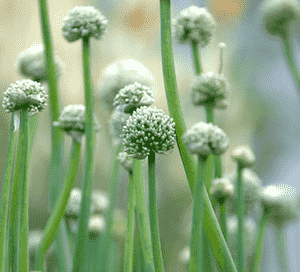
Onion reproduction primarily occurs via tubers during the springtime. This procedure is quite straightforward, with successful outcomes evidenced by newly emerged green sprouts. Guarantee appropriate planting depth and sustain adequate hydration for peak development.
Optimal Period for Onion Propagation
Propagation Method
Utilize The Tubers
Propagation Period
Spring
Tools for Onion Propagation
Seedling Trays
Seedling trays are beneficial for initiating onion from seeds. Their individual compartments facilitate easy organization and prevent root entanglement, simplifying transplanting. They offer a controlled environment for sprouting and initial development.
Misting Bottle
A misting bottle can be employed to gently hydrate onion seeds and young plants, keeping the soil moist without disturbing the planting medium or washing away the seeds. This contributes to improved germination rates and robust seedling growth.
Trowel
A trowel is suitable for excavating small holes or trenches when relocating onion seedlings or planting onion sets. Its ergonomic design allows for precise work without harming the surrounding area, crucial for proper plant establishment.
Garden Knife
A sharp garden knife is useful for carefully dividing onion bulbs or tubers. It ensures clean cuts, minimizing damage and potential entry points for disease to the propagules, thereby encouraging better growth and survival.
Soil Thermometer
A soil thermometer assists in monitoring soil temperature, which is particularly vital for onion to ensure conditions are appropriate for germination and root establishment. It helps in determining the ideal planting time.
Labeling Stakes
Labeling stakes are important for marking different varieties or planting dates of onion. They aid in tracking the propagation process while preventing confusion, ensuring appropriate care for each type.
Dibble
A dibble or dibber facilitates the planting of onion sets by creating uniformly sized and spaced holes. This helps achieve consistent depth and spacing, which is essential for even growth and bulb development.
Gardening Gloves
Gardening gloves protect the hands of the cultivator when handling onion sets or seedlings. They prevent potential skin irritation from extended contact and also guard against injury when using other propagation tools.
How to Propagate Onion?
Propagation Method
Utilize The Tubers
Difficulty Level
Easy
Caring for Your Newly Propagated Onion
Caring for Your Newly Propagated Onion
Providing consistent care post-propagation will ensure healthy growth of onion. Ensure adequate moisture, especially during dry periods, but avoid overwatering as this can lead to rot. Fertilize with a balanced feed to support development. Thinning young plants may be necessary to allow space for bulb expansion. Keep the area around the onion free of weeds and pests. As the onion matures, gradually reduce watering to allow the bulbs to firm up. Harvest when the tops begin to yellow and fall over, typically in late summer.
Common Errors to Avoid When Propagating Onion
Planting depths
Planting onion seeds or sets too deeply can result in delayed germination and poor root development. Conversely, if too shallow, seeds may dry out or fail to establish.
Overcrowding
Sowing onion seeds too closely can lead to insufficient air circulation and nutrient competition, resulting in stunted growth and increased susceptibility to disease.
Inconsistent watering
Either excessive or insufficient watering of onion can lead to poor root health, with the former risking rot and the latter stressing the plant, potentially hindering growth.
Ignoring soil composition
Using soil that drains poorly or lacks nutrients can impede the growth of onion. Health issues may arise as these plants prefer well-draining, fertile soil.
Neglecting to thin seedlings
Failure to thin onion seedlings can result in overcrowding, which can inhibit bulb development and increase the likelihood of disease.
Tips For Propagating Onion
Soil preparation
Prepare the soil with good drainage and rich organic matter to encourage healthy growth of onion.
Appropriate spacing
Sow seeds or plant sets with sufficient space to allow for adequate air circulation and bulb expansion. This helps prevent fungal diseases and ensures larger bulbs.
Consistent moisture
Maintain consistent soil moisture without waterlogging to support steady onion growth and development.
Thinning seedlings
Thin out onion seedlings to the proper spacing to ensure that the remaining plants have enough nutrients and space to develop healthy bulbs.
Careful observation
Regularly monitor onion for signs of pests or diseases, which can be more effectively managed if detected early.



