How to Propagate Wild garlic?
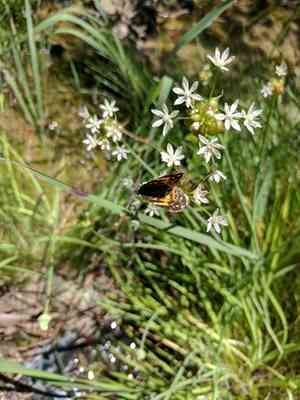
Wild garlic predominantly reproduces via its bulbs, with springtime representing the perfect period for this activity. Reproduction is quite straightforward, and indicators of success encompass fresh sprouts and robust root systems. Maintain appropriate soil dampness during the propagation phase.
Optimal Time for Wild Garlic Propagation
Propagation Method
Utilize The Tubers
Propagation Period
Spring
Tools for Wild Garlic Propagation
Garden Fork or Broadfork
These implements aid in gently lifting the earth without excessive disruption, crucial when extracting wild garlic tubers for propagation. The broadfork is especially useful for deeper soil penetration and minimizing root damage.
Soil Knife or Horihori
A soil knife or horihori is a versatile implement for precisely excavating wild garlic tubers from the soil. Its serrated edge can sever roots if needed, and the pointed tip helps dislodge tubers from dense soil without significant harm.
Watering Can or Hose with Gentle Spray Setting
Adequate moisture is vital during wild garlic propagation. A watering can or a hose with an adjustable spray allows for gentle irrigation that won't disturb the soil or newly planted tubers, ensuring the soil stays moist but not saturated, which could cause rot.
Hand Trowel
A hand trowel is essential for creating small holes or furrows in the soil to position wild garlic tubers at the correct depth. The tool should have a comfortable grip and a sturdy blade to work efficiently through various soil types.
Gardening Gloves
Gardening gloves safeguard hands during the digging and planting process and enhance tool grip. For wild garlic propagation, robust gloves protect against soil-borne pathogens and reduce the risk of disease transmission between plants.
Plant Labels and Marker
Labeling is important for tracking the different stages of wild garlic growth post-propagation. Durable, weather-resistant labels and a permanent marker assist in documentation, allowing for effective growth monitoring and appropriate care during various growth phases.
Soil Amendment Supplies
As wild garlic thrives in well-drained, fertile soil, amendments like compost or aged manure may be necessary. Tools such as a compost fork or soil scoop can help thoroughly incorporate these amendments into the soil before planting the tubers.
How to Propagate Wild Garlic
Propagation Method
Utilize The Tubers
Difficulty Level
Easy
Caring for Newly Propagated Wild Garlic
Caring for Newly Propagated Wild Garlic
Wild garlic requires minimal attention once established. Water plants during dry spells to keep the soil moist but not waterlogged. Fertilize with a balanced liquid feed in spring. Once wild garlic matures and spreads, it can be divided every 3 to 4 years to maintain vigor and manage its spread.
Common Errors to Avoid When Propagating Wild Garlic
Overcrowding
Excessively close planting of wild garlic seedlings or small bulbs can lead to competition for nutrients, light, and space, impeding their growth and increasing disease susceptibility.
Inadequate soil preparation
Failure to properly prepare the soil by incorporating sufficient organic matter can result in poor root development and lower propagation success rates for wild garlic, as they prefer rich, well-draining soils.
Excessive watering
While wild garlic needs moisture to grow, too much water can cause rot, especially in the bulbs, which is detrimental to the plant's overall health and can lead to fungal diseases.
Ignoring plant depth
Planting wild garlic bulbs at the wrong depth will either expose them to the elements, making them vulnerable to pests and weather, or bury them too deep, which can hinder their ability to sprout.
Tips For Propagating Wild Garlic
Bulb division
Dividing wild garlic bulbs for propagation promotes healthier growth and prevents overcrowding. This should be done carefully to avoid damaging the bulbs and ensuring each section has at least one growth point.
Soil enrichment
Enhance the soil with compost or well-rotted manure before planting wild garlic. This process will provide essential nutrients and improve soil structure, fostering better root development and plant health.
Proper watering
Water wild garlic sufficiently but not excessively. Ensure good drainage in the planting area to prevent waterlogged soil, which can lead to bulb rot and fungal issues.
Correct planting depth
Plant wild garlic bulbs at the recommended depth of approximately two to three times the bulb's height to provide optimal conditions for sprouting and root establishment.



