How to Propagate David's alchornea?
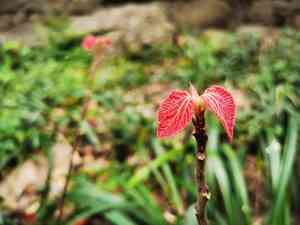
David's alchornea flourishes when reproduced via stem sections. For peak outcomes, choose robust, uninfected stem cuttings. These ought to be harvested from energetic portions of the plant, making certain they possess a minimum of several leaves for light conversion. Cuttings establish roots most effectively in a porous, fertile substrate within environments of elevated humidity and diffused illumination. Sustaining steady dampness and warmth assists in effective root formation, crucial for vigor and expansion.
Optimal Period for Propagating David's Alchornea?
Propagation Method
Cutting
Propagation Period
Autumn,Winter
Tools Utilized in David's Alchornea Propagation?
Sharp Pruning Shears
Crucial for obtaining clean and precise cuttings from david's alchornea, sharp pruning shears help minimize harm to the parent plant and guarantee a neat cut, vital for successful rooting and the health of the cutting. Their sharpness facilitates a quick cut that avoids crushing plant tissues, enhancing rooting success.
Rooting Hormone
This chemical compound stimulates root development in david's alchornea's cuttings. Applying a rooting hormone to the cut base of the cutting prior to planting can significantly boost the probability of successful rooting by promoting faster and more uniform root growth, which is essential for the survival and development of david's alchornea.
Sterile Potting Mix
A sterile potting mix guarantees that david's alchornea cuttings are planted in a disease-free environment, lowering the risk of soil-borne infections that can affect rooting and growth. The mix should be light and drain well to support the delicate new roots forming from the cutting.
Humidity Dome or Plastic Bag
Maintaining high humidity around the david's alchornea cutting is vital during the initial rooting phase. A humidity dome or a simple clear plastic bag can be used to cover the planted cutting, creating a mini-greenhouse effect that sustains the necessary humidity and moisture levels, thereby aiding the rooting process.
Heating Mat
This device is beneficial for providing consistent warmth to the rooting zone of david's alchornea, which can encourage quicker and more efficient root formation. The gentle heat raises the soil temperature, stimulating active growth and helping the cuttings to establish faster.
How to Propagate David's Alchornea?
Propagation Difficulty
Moderately Difficult
How to Nurture Your Newly Propagated David's Alchornea?
How to Nurture Your Newly Propagated David's Alchornea?
Once roots have formed, gradually introduce the david's alchornea saplings to outdoor conditions over a week before permanently placing them in their final spot. Ensure consistent watering, especially during dry periods. Apply a balanced, slow-release fertilizer twice during the growing season to support healthy growth and leaf development. Implement protective measures against common pests and diseases as needed.
Common Errors to Avoid When Propagating David's Alchornea
Insufficient cutting length
Utilizing cuttings that are too short can impede the rooting process for david's alchornea. Short cuttings may lack enough nodes to support new root and shoot formation, leading to poor plant establishment.
Overwatering
While maintaining damp conditions is crucial, excessive watering can cause david's alchornea cuttings to rot before rooting. Too much moisture creates an anaerobic environment that fosters fungal growth.
Using non-sterile tools
Propagation failure often stems from using non-sterile tools to cut or handle david's alchornea. This can introduce pathogens to the cuttings, resulting in infections that compromise the plant's health.
Advice For Propagating David's Alchornea
Appropriate cutting size
Ensure cuttings are of suitable length, typically between 4-6 inches, with several nodes. This provides david's alchornea with adequate resources to effectively establish both roots and shoots.
Balanced moisture levels
Maintaining a moist but not waterlogged medium is crucial for david's alchornea. Use well-draining soil and monitor water levels to prevent root rot while still encouraging healthy root development.
Sterilization of tools
Always use clean, sterilized tools when cutting or handling parts of david's alchornea for propagation. This prevents the spread of disease and ensures healthier growth and development in new plants.



