How to Propagate Lady's mantle?
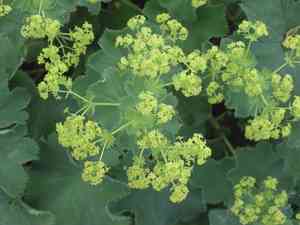
Alchemilla mollis is highly valued for its lobed, fan-like foliage and yellowish-green flowers. Cultivators prefer it due to its resilience and straightforward upkeep. For propagating Alchemilla mollis, the most effective method involves division. Just split established clusters in either spring or fall, making sure every new segment possesses sufficient roots for replanting. Trimming the leaves post-bloom stimulates further foliar development and can enhance the robustness of the divided plants. Although cultivating from seeds is an option, it is less frequently employed because of Alchemilla mollis's propensity for self-seeding and the possibility of inconsistent progeny.
Optimal Time for Lady's Mantle Propagation
Propagation Method
Sowing
Propagation Period
Spring
Essential Tools for Lady's Mantle Propagation
Seed trays
Seed trays are perfect for planting lady's mantle seeds. They provide consistent growing conditions and maximize space. These trays help organize seeds in a controlled setting, making monitoring and upkeep easier, which is vital for high germination rates.
Potting soil
Sterile, nutrient-rich potting soil is vital for lady's mantle seed germination. It offers the necessary support and nutrients for sprouting and initial growth. Ensure good drainage to prevent waterlogging, which can harm seed germination.
Watering can with a fine rose
This tool is crucial for gently watering lady's mantle seeds without dislodging them. The fine rose attachment distributes water evenly, ensuring seeds and young seedlings get moisture without being washed away.
Clear plastic cover
A clear plastic cover or propagator lid helps maintain a humid environment around lady's mantle seeds, essential for germination. It also keeps the temperature stable and protects seeds from pests, creating an ideal microclimate for early growth.
Labels and markers
Using labels and markers to identify lady's mantle seed trays helps track germination and growth progress. This is useful for recording sowing dates and specific care provided, crucial for successful propagation management.
How to Propagate Lady's Mantle?
Propagation Type
Easy
Caring for Your Newly Propagated Lady's Mantle
Caring for Your Newly Propagated Lady's Mantle?
Post-propagation, keep lady's mantle in partial shade with moist, well-draining soil. Water regularly but avoid overwatering. Fertilize lightly during the growing season and remove spent flower stems to encourage fuller growth. In late winter, cut back foliage to promote new spring growth.
Common Mistakes to Avoid When Propagating Lady's Mantle
Overwatering
Excessive watering of lady's mantle or leaving it in waterlogged soil can cause root rot, which is harmful to cuttings or seedlings, hindering their ability to develop a strong root system.
Deep planting
Planting lady's mantle seeds or seedlings too deeply can prevent germination or suffocate emerging shoots, reducing propagation success.
Neglecting division
Failure to regularly divide lady's mantle can lead to overcrowding, which may impede growth and reduce plant vigor, making new plants less likely to thrive.
Overlooking sanitary measures
Using unsterilized tools or pots can introduce pathogens to lady's mantle, leading to diseases that could spread among propagated plants and affect their survival.
Tips For Propagating Lady's Mantle
Soil preparation
Preparing a well-draining potting mix ensures lady's mantle roots have adequate moisture without becoming waterlogged, which is vital for healthy development.
Shallow sowing
Sow lady's mantle seeds on the soil surface or barely cover them to meet their light requirements for germination, thus encouraging successful sprouting.
Careful division
Gently divide lady's mantle at the rootball, ensuring each section has ample roots; this promotes healthy new plants with a strong start for growth.
Tool sterilization
Sterilize all cutting tools and pots before propagation to protect lady's mantle from disease, ensuring clean cuts and a sanitary growing environment.



