How to Propagate Persian silk tree?
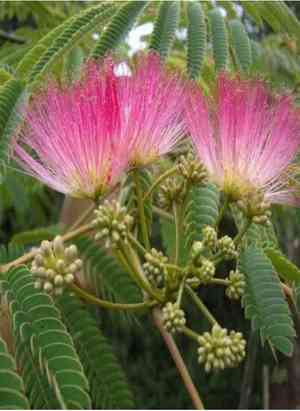
The Persian silk tree offers several propagation techniques, such as utilizing hardwood cuttings, air layering, and seed germination. The most suitable period for initiating propagation is during the autumn and winter months. The level of difficulty for propagation differs based on the chosen approach, yet successful cuttings ought to exhibit fresh development. Essential recommendations involve employing sanitized and keen implements, applying rooting stimulant, and supplying sufficient hydration and nourishment.
Optimal Time for Persian Silk Tree Propagation
Propagation Method
Cutting
Propagation Period
Autumn,Winter
Tools Required for Persian Silk Tree Propagation
Pruning Shears
Pruning shears are vital for obtaining persian silk tree cuttings. They enable a clean, quick cut, minimizing harm to both the parent plant and the cutting. Sharp shears ensure a smooth, non-jagged cut, which helps prevent infection and promotes faster rooting.
Rooting Hormone
Applying rooting hormone to the severed end of a persian silk tree cutting speeds up root formation and boosts the likelihood of successful propagation. This hormone stimulates root growth and can significantly reduce the time it takes for the cutting to become established.
Sterilization Agent (e.g., Isopropyl Alcohol or Bleach Solution)
Utilizing a sterilization agent to sanitize tools prior to taking persian silk tree cuttings is crucial for preventing disease transmission. Sterilized tools guarantee that any potential pathogens are eliminated, thereby safeguarding the cutting and fostering healthier development.
Potting Medium
A well-draining, sterile potting medium offers the perfect environment for persian silk tree cuttings to root. It helps maintain adequate moisture and oxygen levels, essential for root development, without causing waterlogging or disease problems.
Rooting Trays or Pots
Trays or pots are utilized to hold the potting medium and the persian silk tree cuttings. They facilitate easy handling and provide a suitable space for new root development. It's important that they have drainage holes to allow excess water to escape.
Plastic Bags or Domes
Creating a humid environment around persian silk tree cuttings is beneficial for preventing water loss and maintaining high humidity levels around the foliage. This can be achieved by covering the cuttings with plastic bags or domes, which simulate a greenhouse effect.
Misting Bottle
A misting bottle helps keep the leaves of persian silk tree cuttings moist, which reduces water stress and assists in maintaining a high humidity level around the cutting, a key factor in encouraging successful rooting.
Post-Propagation Care for Your Persian Silk Tree
Post-Propagation Care for Your Persian Silk Tree
Once persian silk tree cuttings have rooted and show new growth, gradually introduce them to the outdoor environment by removing the plastic covering for increasing durations daily. When fully acclimated, transplant into individual pots with appropriate potting soil, or directly into the garden, selecting a spot that receives full to partial sunlight. Water consistently to keep the soil moist but not waterlogged and apply a balanced, slow-release fertilizer according to the label's instructions. Protect young plants from harsh weather and pests until they are established.
Common Errors to Avoid When Propagating Persian Silk Tree
Overwatering cuttings
Excessive moisture can lead to rotting of persian silk tree's cuttings, impeding root development and potentially killing the plant.
Ignoring soil quality
Persian silk tree requires well-draining soil. Using dense or clay-heavy soil can result in waterlogging and root rot.
Planting cuttings too deep
Cuttings buried too deeply may lack sufficient oxygen and can rot before rooting.
Cuttings size
Cuttings that are too large or too small may struggle to establish. Ideal cutting size ensures better energy allocation for rooting.
Ignoring cleanliness
Using dirty tools can introduce pathogens to persian silk tree cuttings, increasing the risk of disease and poor growth.
Advice for Propagating Persian Silk Tree
Right cutting selection
Choose healthy semi-ripe wood and trim cuttings to 4-6 inches with several leaf nodes for persian silk tree's best propagation.
Use rooting hormone
Applying rooting hormone on persian silk tree cuttings can enhance root formation and propagation success rate.
Provide humidity
Enclosing persian silk tree cuttings in a humidity dome or plastic bag can maintain moisture levels conducive to rooting.
Indirect sunlight
Place persian silk tree cuttings in bright but indirect light to prevent scorching while encouraging growth.
Monitor moisture levels
Keep the soil moist but not waterlogged to support persian silk tree cuttings' needs without exposing them to rot.



