How to Propagate Chinese alangium?
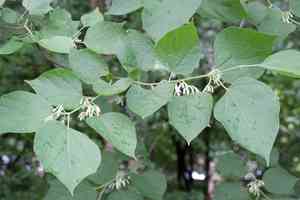
Alangium chinense can be successfully multiplied using stem sections. Begin by choosing robust, non-blooming stems to improve the chances of success. Sever a portion of the stem approximately 4-6 inches in length, making sure it possesses multiple leaf pairs. Apply a rooting stimulant to encourage root formation prior to potting in a well-aerated growing medium. Ensure continuous dampness and supply diffused illumination until the root system is firmly established.
When Is the Optimal Time to Propagate Chinese Alangium?
Propagation Type
Cutting
Propagation Season
Autumn,Winter
What Tools Are Utilized in Chinese Alangium Propagation?
Sharp Pruning Shears
Sharp pruning shears are vital for taking cuttings from chinese alangium. They enable clean and precise cuts, minimizing harm to the parent plant and boosting the chances of successful rooting in the cuttings. Sharp, sanitized shears ensure minimal infection risk at the cut site.
Rooting Hormone
Applying rooting hormone to the cut end of the chinese alangium cutting can significantly boost root development. This substance encourages quicker root initiation, leading to a higher success rate in propagating new plants. It is especially beneficial for hardwood cuttings, which might otherwise take longer to root.
Potting Mix
A sterile, well-draining potting mix is essential for the rooting of chinese alangium cuttings. The mix should offer adequate aeration and moisture retention to support initial root growth without risking fungal infection or waterlogging, which can be detrimental to cutting health.
Moisture Dome or Plastic Cover
Maintaining high humidity around the chinese alangium cuttings is crucial, especially in the early stages of root development. A moisture dome or plastic cover over the cuttings can create a greenhouse-like environment, preventing moisture loss and providing stable conditions to encourage rooting.
Heat Mat
Using a heat mat under the propagation tray can enhance root growth in chinese alangium cuttings by maintaining a consistent and suitable temperature. This promotes healthier, faster root development, which is particularly crucial in colder conditions or during winter months.
How to Propagate Chinese Alangium?
Propagation Type
Moderately Difficult
How to Care for Your Newly Propagated Chinese Alangium?
How to Care for Your Newly Propagated Chinese Alangium?
After propagation, gradually expose chinese alangium to its typical growing conditions. Ensure it receives partial to full sunlight and water regularly to maintain moist soil, especially during warmer months. Fertilize lightly during the growing season with a balanced, slow-release fertilizer. Monitor for pests and diseases regularly and prune mature plants to promote healthy growth and airflow.
Common Mistakes to Avoid When Propagating Chinese Alangium
Overwatering
Watering chinese alangium too frequently can lead to root rot, which is detrimental as the species requires well-drained soil to flourish. Excessive moisture suffocates the roots, preventing them from absorbing nutrients effectively.
Using poor quality cuttings
Selecting weak or diseased stems for cuttings can severely hinder the success of propagation. Poor quality cuttings struggle to establish and grow, often succumbing to disease or pest attacks.
Ignoring soil composition
Utilizing the wrong soil mix can impede the rooting and growth of chinese alangium. A mix that does not drain well or lacks the necessary nutrients can lead to poor plant health and reduced propagation success.
Neglecting acclimatization
Failing to gradually acclimatize cuttings to new environmental conditions can lead to high mortality rates. Sudden changes in environment stress the plant, leading to leaf drop or failure to root.
Tips For Propagating Chinese Alangium
Use healthy and mature stems
Selecting robust, disease-free cuttings from mature stems increases the likelihood of successful propagation. These cuttings tend to root better and are more likely to survive transplanting.
Proper soil mix
Utilizing a light, well-draining soil mix enriched with organic matter provides the necessary support and nutrients for chinese alangium. This helps in establishing a strong root system, critical for successful propagation.
Monitor watering
Maintaining a balance in soil moisture is crucial. Ensure the soil is moist but not saturated. Overwatering can cause root rot, while underwatering might prevent the cuttings from developing roots.
Gradual acclimatization
Introduce cuttings to their new growing conditions gradually. Start with high humidity and limited light exposure, slowly adapting them to the conditions of the final growing spot. This method reduces transplant shock and improves adaptation.



