How to Propagate Chocolate vine?
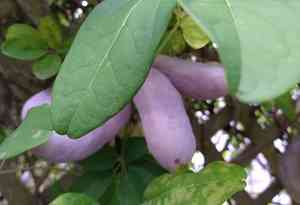
A decorative climbing plant, Akebia quinata flourishes when propagated from semi-hardwood sections harvested from robust, mature stems. For superior root development, apply a rooting stimulant and embed in a porous soil blend; ensure continuous dampness without oversaturation. Offer diffused illumination and mild warmth to encourage development. After it has taken root, Akebia quinata demands little upkeep, demonstrating hardiness and flexibility in appropriate environmental settings.
Optimal Time for Chocolate Vine Propagation
Propagation Method
Cutting
Propagation Period
Spring,Summer
Tools Required for Chocolate Vine Propagation
Sharp Pruning Shears
Sharp pruning shears are essential for making clean, precise cuts on chocolate vine stems. This tool helps prevent damage and potential disease entry, fostering healthier root growth.
Rooting Hormone
Applying rooting hormone to the cut ends of chocolate vine cuttings promotes the initiation and development of roots. This chemical encourages faster and more uniform root growth, increasing propagation success rates.
Sterilized Potting Mix
Utilizing a sterilized, well-draining potting mix ensures a pathogen-free environment for the cuttings. This medium offers the necessary support and nutrients, aiding in the rooting and growth of chocolate vine.
Humidity Dome or Plastic Bags
A humidity dome or clear plastic bags help maintain elevated humidity levels around chocolate vine cuttings. This environment is crucial for preventing moisture loss until the cuttings can sustain themselves.
Heat Mats
Heat mats assist in maintaining an ideal soil temperature, which is vital for rooting. Consistent warmth is particularly beneficial for chocolate vine, encouraging quicker root development beneath the soil.
How to Propagate Chocolate Vine?
Propagation Type
Moderately Difficult
Caring for Your Newly Propagated Chocolate Vine
Caring for Your Newly Propagated Chocolate Vine
Following successful propagation, gradually acclimate chocolate vine to less humid conditions by removing the plastic cover over several days. Once established, transplant the young plant to its permanent spot in well-drained soil, ideally with partial shade to protect it from intense sunlight. Regular watering, especially during dry spells, and annual fertilization will help maintain its vigor. Pruning is necessary to manage growth and encourage branching.
Common Mistakes to Avoid When Propagating Chocolate Vine
Overwatering cuttings
Excessive watering of chocolate vine cuttings can lead to root rot and fungal infections, impeding successful propagation.
Using non-sterile tools
Employing non-sterile pruning tools can introduce pathogens to chocolate vine cuttings, diminishing the likelihood of healthy root development.
Neglecting to remove flowers
Failure to remove flowers from chocolate vine can divert energy away from the rooting process, reducing propagation success.
Planting cuttings too deep
Planting chocolate vine cuttings too deeply can hinder proper aeration, impairing root formation and growth.
Ignoring humidity requirements
Chocolate vine cuttings need specific humidity levels to thrive; neglecting this can result in poor root development.
Tips For Propagating Chocolate Vine
Softwood cuttings preparation
Prepare softwood cuttings of chocolate vine from healthy, disease-free plants to ensure a higher success rate.
Appropriate moisture levels
Maintain only appropriate moisture levels for chocolate vine cuttings to prevent rot, while still providing enough water for growth.
Use of rooting hormones
Applying rooting hormones to chocolate vine cuttings can significantly improve root initiation and development.
Providing dappled light
Ensure chocolate vine cuttings are placed in dappled light, mimicking their natural understory habitat for optimal growth.
Humidity control
Create a humid environment for chocolate vine cuttings using a humidity dome or misting to promote rooting without saturating the soil.



