How to Propagate Common bugle?
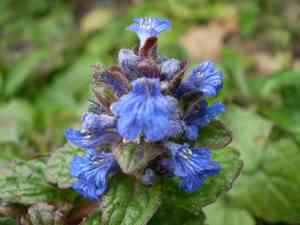
Ajuga reptans reproduces via adventitious buds, rendering it a straightforward plant to multiply. The perfect period for propagation spans Spring, Summer, or Autumn. Indicators of successful propagation encompass fresh development and vibrant leaves. To guarantee positive outcomes, it is crucial to supply a growing medium that drains effectively and sustain steady hydration.
When Is the Optimal Time to Propagate Common Bugle?
Propagation Method
Stem Buds
Propagation Period
Spring, Summer, Autumn
What Equipment Is Used for Common Bugle Propagation?
Sharp pruning shears or scissors
These are vital for making clean cuts when harvesting common bugle stems. Clean cuts help prevent infection and damage to both the parent plant and the cuttings. Sharp tools are especially beneficial for common bugle, as they minimize plant stress, which is crucial for quick recovery and growth.
Rooting hormone powder or gel
Applying rooting hormone to the cut ends of common bugle stems can significantly boost root development. It contains synthetic auxins that stimulate root growth in stem cuttings. This is advantageous for common bugle because it promotes more uniform rooting, increasing propagation success.
Sterile potting mix
Using a sterile potting mix is essential for preventing disease and ensuring healthy root development in common bugle cuttings. The medium should be light and well-draining to support delicate new roots without retaining excessive moisture, as common bugle is susceptible to root rot if the soil stays too wet.
Small pots or trays
These containers are used for planting common bugle stem cuttings. The container size should be suitable for the cuttings to prevent excessive soil moisture and provide ample space for initial root growth.
Plastic bags or propagation domes
A humidity dome or clear plastic bag can create a humid microclimate around common bugle cuttings, helping to prevent moisture loss through the leaves while roots are forming. This is particularly beneficial for common bugle, which thrives in consistently moist, but not waterlogged, conditions during establishment.
Misting spray bottle
Gently misting common bugle cuttings with water helps maintain high humidity and prevents them from drying out before roots are established. However, it's important to balance moisture levels to avoid fungal growth.
Labels and marker
Properly labeling containers holding common bugle cuttings prevents confusion and helps track propagation progress, including when cuttings were taken and any treatments received. Clear labeling is a key aspect of responsible plant propagation and maintenance.
How to Propagate Common Bugle?
Propagation Method
Stem Buds
Difficulty Level
Moderately Challenging
How to Care for Your Newly Propagated Common Bugle?
How to Care for Your Newly Propagated Common Bugle?
After propagation, gradually introduce the new common bugle plants to their environment. Provide them with bright, indirect light and keep the soil consistently moist without overwatering. Fertilize the common bugle with a balanced, slow-release fertilizer as per product instructions. As it becomes drought-tolerant once established, reduce watering frequency. Monitor for pests or diseases and treat as needed. Mulch around the common bugle in the garden to retain soil moisture and suppress weeds. With proper care, these plants will spread and fill the area, creating a lush ground cover.
Common Errors to Avoid When Propagating Common Bugle
Overwatering cuttings
Excessive moisture can cause common bugle cuttings to rot. High water levels reduce oxygen availability, hindering root growth and potentially killing the cutting.
Planting cuttings too deeply
Inserting common bugle cuttings too far into the soil can suffocate developing roots, limit oxygen access, and decrease the likelihood of successful propagation.
Ignoring pest control
Failing to monitor and control pests can lead to infestations that damage or kill common bugle cuttings before they can properly establish.
Using unsterilized tools
Cutting common bugle with dirty tools can introduce pathogens, which may lead to infections that impede or prevent root development.
Crowding cuttings
Placing common bugle cuttings too close together can restrict air circulation, creating a humid environment that promotes fungal growth and disease.
Tips For Propagating Common Bugle
Appropriate soil mixture
Use a well-draining soil mixture for common bugle to prevent waterlogging, which can harm developing roots and reduce propagation success.
Proper cutting length
Ensure common bugle cuttings are not too short or long. An optimal length supports better root development and overall plant health.
Humidity and warmth balance
Maintain a balanced humidity and warmth level for common bugle cuttings to promote healthy growth without encouraging fungal diseases.
Regular monitoring
Inspect common bugle cuttings frequently for signs of pests, disease, or poor health, and make necessary adjustments to care.
Adequate space
Provide sufficient space between common bugle cuttings to ensure good air circulation, which is critical for preventing fungal diseases.



