How to Propagate Creeping bent?
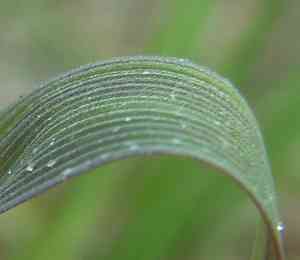
Creeping bent flourishes when multiplied via separation, a simple yet potent technique for this particular variety. For propagation, gently split the root mass while the plant is actively developing. Verify that every separated portion possesses a robust root segment and several new growths. Promptly replant these divisions, ensuring adequate soil dampness and a partially shaded environment, which fosters ideal root development and expansion.
Optimal Time for Creeping Bent Propagation?
Propagation Method
Division
Propagation Period
Spring,Autumn
Tools for Creeping Bent Propagation?
Garden spade or digging fork
These implements are vital for dividing creeping bent. They are used to gently lift the plant from the ground, minimizing harm to the root system. A spade with a sharp edge is especially useful for cleanly cutting through soil and roots, facilitating easier separation of plant clumps.
Sharp knife
A keen-edged knife is essential for cutting through the dense root mass of creeping bent. It allows for precise cuts, enabling the propagator to divide the root ball into smaller sections without tearing or excessively damaging the roots. This precision is crucial for maintaining the plant's health during propagation.
Pruning shears
These are utilized to trim back any excess foliage from creeping bent before and after division. Trimming helps reduce stress on the plant's root system and encourages more vigorous regrowth. It's important that the shears are clean and sharp to prevent disease transmission and ensure clean cuts.
Watering can or hose with a gentle spray nozzle
Immediately following division and replanting, it is important to water creeping bent gently but thoroughly. A watering can or hose with a gentle spray nozzle ensures even water distribution over the soil, providing sufficient moisture for root establishment without causing soil erosion or root displacement.
How to Propagate Creeping Bent?
Propagation Type
Easy
Caring for Newly Propagated Creeping Bent?
Caring for Newly Propagated Creeping Bent?
Post-propagation, keep the soil consistently damp but not saturated. Creeping bent thrives in moist, fertile soil. Regular mowing and occasional feeding with a balanced fertilizer will promote dense, healthy growth. Monitor for pests and diseases, treating as needed to maintain plant health.
Common Mistakes to Avoid When Propagating Creeping Bent
Overwatering
Excessive watering can lead to waterlogging, potentially causing root rot for creeping bent. This impairs the plant's health by reducing oxygen availability to the roots, making them weak and vulnerable to disease.
Ignoring spacing requirements
Planting creeping bent too closely can restrict air circulation and encourage fungal diseases. It also results in competition among plants for light, nutrients, and space, hindering their growth and spread.
Using poor quality or infected plant material
Beginning propagation with unhealthy or infested parts of creeping bent can transmit diseases to new plants, severely impacting their growth and survival.
Tips For Propagating Creeping Bent
Use healthy and vigorous planting material
Selecting robust and disease-free stolons or plant pieces of creeping bent will ensure stronger establishment and better growth due to a lower likelihood of disease spread and higher vitality.
Ensure proper soil preparation
Preparing a soil mix that drains well yet retains adequate moisture is crucial for creeping bent. A balance of good fertility and drainage supports robust root development and overall plant health.
Monitor moisture levels appropriately
Maintaining optimal moisture levels without overwatering is vital. Use a watering regimen that keeps the soil moist but not waterlogged to support the rooting and growth of creeping bent.



