How to Propagate Foxtail agave?
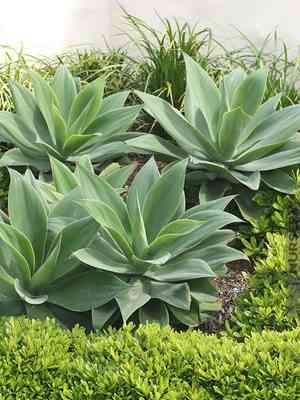
Foxtail agave primarily reproduces via separation. The most suitable period for propagation is either early spring or fall. This procedure is quite straightforward, indicated by fresh development and robust root systems as signs of success. Careful management and attention are crucial for achieving the best outcomes.
Optimal Time for Foxtail Agave Propagation
Propagation Method
Separation
Propagation Period
Spring, Autumn
Tools Required for Foxtail Agave Propagation
Sharp, Sterilized Knife or Pruning Shears
A keen knife or shears are crucial for making clean cuts or detaching the offsets or pups from the main foxtail agave plant. A sanitized blade helps prevent disease transmission between plants. Clean, precise cuts will improve rooting success and reduce stress on both parent and offspring.
Rubbing Alcohol or Disinfectant
Rubbing alcohol or an appropriate disinfectant is used to sanitize propagation instruments before and after each cut. This minimizes the risk of introducing pathogens to the foxtail agave during the division process, which is vital for the overall health and success of propagation.
Gloves
Protective gloves shield the propagator's hands from the foxtail agave's sharp edges and potential skin irritants, while also preventing the transfer of oils and dirt to the cut surfaces. This ensures a healthier environment for the new plants to grow.
Garden Trowel
A garden trowel is utilized for digging around the base of the foxtail agave to carefully lift the mother plant or larger pups from the soil without causing excessive root damage. This assists in the separation process and keeps the root system as intact as possible.
Rooting Hormone (optional)
Rooting hormone can stimulate root development from the base of the pup or offset, thereby increasing the propagation success rate. While not essential for foxtail agave propagation, it can offer an advantage, especially for slow-rooting offsets.
Potting Mix
A well-draining potting mix is essential for newly separated foxtail agave offsets to establish their roots. The mix should provide sufficient aeration and drainage while retaining enough moisture to encourage root development without becoming waterlogged and causing root rot.
Pots with Drainage Holes
Individual pots with drainage holes accommodate the new foxtail agave offsets and ensure excess water can escape, preventing waterlogging and subsequent root diseases. The pot size should be proportionate to the division's size to promote healthy growth.
Method for Propagating Foxtail Agave
Propagation Method
Division
Difficulty Level
Easy
Post-Propagation Care for Your Foxtail Agave
Post-Propagation Care for Your Foxtail Agave
Following propagation, foxtail agave requires minimal yet specific care to flourish. Water the plant sparingly, only when the soil is completely dry, as excessive watering can lead to rot. Provide foxtail agave with bright, indirect light and shield it from cold temperatures. As foxtail agave grows, it may need repotting into larger containers to accommodate root expansion. Fertilization is rarely necessary, but a diluted balanced fertilizer can be applied during the growing season if desired. Always monitor for pests and diseases and address any issues promptly.
Common Errors to Avoid During Foxtail Agave Propagation
Overwatering cuttings
Excessive watering of foxtail agave cuttings can lead to rot, which is detrimental to rooting because cuttings need to be kept relatively dry to encourage root development.
Planting too deeply
Planting foxtail agave pups or offsets too deeply can cause them to rot. The pup's base should be just below the soil surface to ensure adequate aeration.
Ignoring cleanliness
Not using clean tools or pots can introduce pathogens to foxtail agave cuttings or offsets, leading to infection and potentially failed propagation.
Using poor draining soil
Utilizing a soil mix that doesn't drain well can retain too much moisture for foxtail agave, increasing the chances of root rot during propagation.
Neglecting aftercare
Failing to provide proper aftercare, such as gradual acclimatization to sunlight for foxtail agave pups, can cause shock and hinder their development.
Advice for Propagating Foxtail Agave
Right cutting size
Use a sharp, clean knife to cut a 4-6 inch section of a healthy foxtail agave pseudo-stem, ensuring the cutting is not too large which could make it more difficult to root.
Optimal soil conditions
Use a well-draining soil mix, like cactus or succulent mix, for foxtail agave to enhance root growth without waterlogging.
Callousing cuttings
Allow the cut end of foxtail agave cuttings to callous over for a few days before planting to reduce the risk of rot.
Adequate light and temperature
Provide bright, indirect light and maintain a warm temperature to encourage rooting of foxtail agave without scorching the young plants.
Gradual watering
Water foxtail agave sparingly and gradually increase as roots establish, ensuring the soil is dry between watering to avoid rot.



