How to Propagate Indian mint?
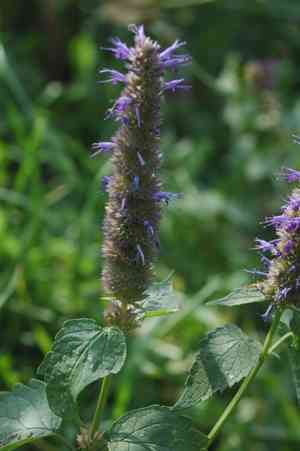
Indian mint, a perennial herb valued for its fragrant leaves and violet-blue flower spikes, flourishes when reproduced by seeding. To achieve successful seed propagation, plant the seeds superficially in a growing medium that drains effectively, as illumination is vital for sprouting. Maintain the soil's dampness without oversaturation, offering mild warmth to aid in germination. After the seedlings appear and develop several true leaves, they can be moved to separate containers or directly into the garden, making sure they slowly adapt to external environments.
When Is the Best Time to Propagate Indian Mint?
Propagation Method
Seeding
Propagation Period
Spring
What Equipment Is Used in Indian Mint Propagation?
Seed trays
Seed trays are crucial for uniformly sowing indian mint seeds and managing them effectively. The tray enables organized distribution of soil and seeds, ensuring indian mint gets adequate space to grow without crowding, which is vital for its initial development. These trays also make mobility and grouping easier.
Potting soil
High-quality potting soil supports the germination and early growth phases of indian mint by offering a balanced nutrient mix and good drainage. Properly prepared soil ensures that the delicate roots of indian mint can spread easily and access necessary hydration and nourishment, fostering stronger, healthier seedlings.
Misting bottle
A misting bottle is employed to gently water indian mint seeds without dislodging them or causing soil erosion. The fine spray from a misting bottle provides the essential moisture needed for seed germination while maintaining a stable soil environment, which is critical for successful indian mint sprouting.
Heat mat
A heat mat delivers a consistent and controlled heat source, often necessary to boost the germination rate of indian mint. By maintaining a steady soil temperature, the heat mat encourages quicker and more uniform germination across the seed tray.
Grow lights
Grow lights are beneficial if indian mint is propagated in conditions lacking sufficient natural light. These lights ensure that seedlings receive the ideal light spectrum required for photosynthesis and growth, which is especially important during shorter daylight months or for indoor propagation.
How to Propagate Indian Mint?
Propagation Difficulty
Simple
How to Care for Your Newly Propagated Indian Mint?
How to Care for Your Newly Propagated Indian Mint?
Once germination occurs, thin out the seedlings to prevent overcrowding and encourage robust growth. Gradually introduce the young indian mint plants to outdoor conditions before moving them to their permanent spot. Ensure the plants are situated in an area with full sun to partial shade and in well-draining soil. Consistent watering is vital, especially during dry spells. Indian mint benefits from occasional feeding with a balanced fertilizer and mulching to retain soil moisture and suppress weeds. Removing spent flowers will promote more blooms and extend the flowering period.
Common Errors to Avoid When Propagating Indian Mint
Overwatering
Excessive watering of indian mint during propagation can lead to root rot, which degrades the root system, hindering the plant's ability to absorb nutrients and water. This ultimately compromises the health and survival rates of new indian mint cuttings or seedlings.
Deep planting
Planting indian mint seeds or cuttings too deeply can prevent them from receiving adequate oxygen, which is essential for germination and root development. This can significantly delay or inhibit the plant's growth.
Ignoring soil pH
Failing to adjust the soil to indian mint's specific pH preference can impede its growth. Indian mint thrives in slightly acidic to neutral soil, and not meeting these conditions can result in poor nutrient uptake and weak plant development.
Using old seeds
Using old or improperly stored indian mint seeds can lead to low germination rates, impacting the overall success of propagation efforts. Old seeds may have reduced viability, compromising new plant growth.
Tips For Propagating Indian Mint
Use fresh seeds
For successful germination, use fresh indian mint seeds and ensure they are sown at the correct shallow depth. Fresh seeds have higher viability and will increase the chances of successful plant establishment.
Ensure proper drainage
Providing well-draining soil for indian mint during propagation helps prevent waterlogging and the associated risks of root diseases. Good drainage supports healthy root growth.
Maintain optimal humidity
Keeping humidity levels optimal around indian mint cuttings can help prevent new shoots from drying out and support the rooting process. A balanced humidity helps ensure healthy leaf and stem development.
Use rooting hormone
Applying a rooting hormone to indian mint cuttings can significantly boost rooting success. This promotes stronger and more resilient root development, leading to robust new plants.



