How to Propagate Painted buckeye?
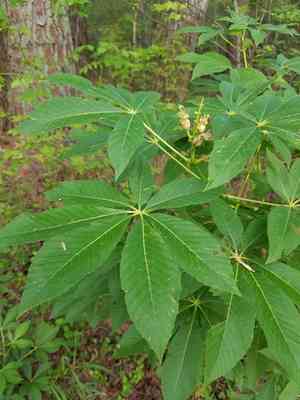
Originating in forested areas, the painted buckeye is a adaptable bush greatly valued for its decorative attributes. Effective propagation frequently utilizes cuttingsâideally semi-hardwood cuttings gathered in the latter part of summer. These cuttings ought to then be treated with a rooting stimulant to improve root formation prior to being planted in a soil blend that drains effectively. The substrate needs to remain damp, and the cuttings should be situated in a warm location receiving filtered sunlight. Through perseverance and diligent attention, these cuttings will establish roots and mature into robust examples of painted buckeye.
Optimal Propagation Period for Painted Buckeye
Propagation Type
Cutting
Propagation Season
Fall,Winter
Tools for Painted Buckeye Propagation
Sharp Pruning Shears
These are crucial for obtaining clean, precise painted buckeye cuttings, minimizing harm to the parent plant and boosting the chances of successful rooting. A clean cut helps prevent infection and promotes faster healing.
Rooting Hormone
This aids in stimulating root growth from painted buckeye cuttings. Applying rooting hormone to the freshly cut stem base can significantly improve the likelihood of successful root formation, which is vital for healthy growth in propagated plants.
Sterile Potting Mix
Utilizing a sterile, well-draining soil mix is essential for rooting painted buckeye cuttings. It prevents the introduction of pathogens that could harm the cuttings and ensures the soil environment supports healthy root growth without retaining excessive moisture.
Propagation Trays or Pots
These containers hold the soil and painted buckeye cuttings. They should offer adequate drainage and sufficient room for developing roots. Proper containers help maintain the necessary humidity and temperature to encourage rooting.
Plastic Covers or Mini Greenhouses
These tools maintain high humidity around painted buckeye cuttings, which is crucial for preventing them from drying out before roots have developed. They also maintain warmer temperatures, promoting faster growth.
Heat Mats
Especially useful during colder months, heat mats help maintain an optimal soil temperature, which encourages vigorous root formation in painted buckeye cuttings. This tool is critical in ensuring that the cuttings remain at a consistent temperature conducive to rooting.
Propagating Painted Buckeye
Propagation Type
Moderately Difficult
Post-Propagation Care for Painted Buckeye
Post-Propagation Care for Painted Buckeye
Once painted buckeye cuttings have developed a strong root system, transfer them to larger containers or directly into the garden. Select a spot with partial shade and well-drained soil. Maintain consistent moisture for the young plants, and apply a balanced fertilizer during the growing season. Protect young plants from extreme weather and pests. Prune as needed to shape the plant and remove any dead or diseased wood.
Common Errors to Avoid When Propagating Painted Buckeye
Using damaged seeds
Seeds showing signs of damage or disease are less likely to sprout, leading to failed propagation.
Overwatering
Excessive water can lead to root rot and fungal issues, impeding the growth of painted buckeye.
Neglecting stratification
Omitting the cold stratification process for painted buckeye seeds can result in poor germination rates as this process breaks seed dormancy.
Excessive soil compaction
Over-compacting soil can reduce air pockets, restricting root expansion and water drainage for painted buckeye.
Planting in wrong soil type
Using soil that doesn't drain well or isn't fertile enough can negatively impact painted buckeye's health and growth.
Ignoring pH requirements
Not adjusting soil to painted buckeye's preferred pH can affect nutrient availability, impacting the plant's overall health.
Advice for Propagating Painted Buckeye
Choose healthy seeds
Selecting seeds free from physical damage or disease is crucial for successful germination.
Provide optimal watering
Maintain balanced soil moisture to support root growth without causing waterlogging for painted buckeye.
Conduct cold stratification
Mimic natural conditions by stratifying seeds to encourage germination.
Ensure loose soil structure
Loose, well-draining soil promotes healthy root development for painted buckeye.
Tailor soil to plant needs
Use fertile, well-draining soil suited to painted buckeye's requirements for optimal growth and health.
Monitor soil pH
Regularly check and adjust soil pH to meet painted buckeye's specific needs, ensuring nutrient uptake is not restricted.



