How to Propagate Ohio buckeye?
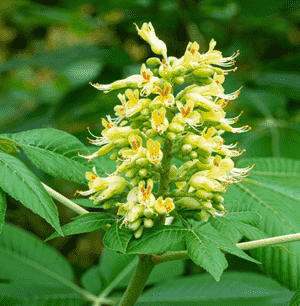
The Ohio buckeye can be reproduced using three distinct techniques: dormant wood cuttings, air layering, and seed planting. The most suitable period for initiating propagation is during the fall or winter seasons. The process presents a moderate level of challenge, yet successful outcomes are indicated by the development of roots and fresh foliage. Essential advice involves choosing robust parent specimens and ensuring sufficient hydration and illumination.
What Is the Best Time To Propagate Ohio Buckeye?
Propagation Type
Cutting
Propagation Season
Autumn,Winter
What Tools Are Used in Ohio Buckeye Propagation?
Sharp pruning shears
This instrument is vital for making precise cuts on ohio buckeye branches, which aids in disease prevention and promotes successful rooting. The keen blades ensure minimal harm to plant tissues, improving the cutting's chances of establishing roots.
Rooting hormone
The application of rooting hormone can significantly boost the success rate of ohio buckeye cuttings by stimulating root development. Applying it to the cut end of the cutting before planting helps accelerate root formation, which is crucial for the propagation of ohio buckeye.
Sterilizing agent
To prevent the spread of diseases to ohio buckeye cuttings, it is essential to use a sterilizing agent on the pruning shears and other tools before cutting. A sterilizing agent such as alcohol or bleach ensures that pathogens are not transferred during the propagation process.
Propagation tray
A propagation tray offers an organized setting for ohio buckeye cuttings to develop roots. It helps maintain the necessary humidity and temperature levels, which are critical for encouraging root growth in the initial stages of propagation.
Potting mix
A suitable potting mix, preferably one that is well-draining and nutrient-rich, provides the ohio buckeye cuttings with the necessary support and nourishment for root development. A mix that retains moisture without becoming waterlogged is ideal for ohio buckeye cuttings.
Plastic dome or covering
Maintaining a high humidity environment is key for the successful rooting of ohio buckeye cuttings. A plastic dome or covering over the propagation tray helps to trap moisture around the cuttings, which can be critical in preventing the cuttings from drying out before they establish roots.
Heating mat
A heating mat can be used to maintain a consistent soil temperature, which is important for ohio buckeye cuttings to root successfully. Given that ohio buckeye may have specific temperature requirements for optimal root development, a heating mat ensures that those temperatures are met consistently.
How to Care for Your Newly Propagated Ohio Buckeye?
How to Care for Your Newly Propagated Ohio Buckeye?
Once the ohio buckeye seedlings have established and display several sets of leaves, gradually acclimate them to outdoor conditions if not already outside. Transplant to their permanent location in an area with full sun to partial shade, ensuring that the soil remains moist but not saturated. Support the young trees with stakes if necessary, and protect them from strong winds. As ohio buckeye is susceptible to various pests, regular inspection and timely pest control measures are crucial. Finally, mulch around the base to conserve moisture and regulate soil temperature.
Common Mistakes to Avoid When Propagating Ohio Buckeye
Planting seeds too deep
Seeds of ohio buckeye require proper depth for germination. Planting them too deeply can prevent sprouting, as the seeds might not be able to push the seedling above the soil surface.
Skipping stratification
Seeds of ohio buckeye naturally undergo a cold period in winter which breaks dormancy. Not mimicking this stratification process can result in poor germination rates.
Overwatering during germination
Excessive moisture can lead to rotting of ohio buckeye's seeds before they have a chance to germinate, severely decreasing the success rate of propagation.
Neglecting soil composition
Using soil that does not drain well or does not have the right nutrient composition can be detrimental to the health of ohio buckeye seedlings and impede their growth.
Ignoring pest control
Young plants of ohio buckeye are vulnerable to pests, and failing to monitor and manage pests can result in damage or death of the seedlings.
Tips For Propagating Ohio Buckeye
Adequate seed depth
Ensure that the seeds of ohio buckeye are planted at the correct depth, which is typically one to two inches below the soil surface, to facilitate proper growth.
Cold stratification
Mimic the natural stratification process by exposing ohio buckeye's seeds to cold temperatures for one to three months before planting to improve germination rates.
Proper moisture levels
Maintain a balance of moisture by watering just enough to keep the soil for ohio buckeye's seeds moist but not waterlogged to prevent rot.
Well-draining soil
Use a well-draining soil mixed with organic matter to promote healthy root development and provide the necessary nutrients for ohio buckeye's growth.
Regular pest inspections
Regularly inspect ohio buckeye seedlings for any signs of pests and manage infestations promptly to protect the young plants.



