How to Propagate Yellow Buckeye?
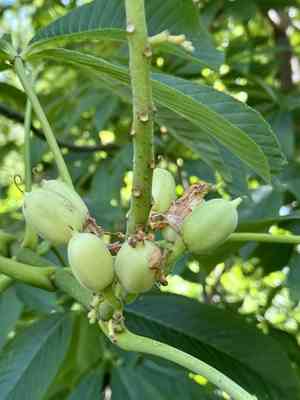
Yellow Buckeye can be reproduced via hardwood sections, air layering, and planting seeds in the fall or winter. The process of propagation presents a moderate challenge, and indicators of successful establishment include the emergence of fresh shoots and the formation of roots. It is advisable to employ rooting hormone powder when preparing cuttings and to ensure the growing medium remains damp throughout the propagation phase.
What Is the Best Time To Propagate Yellow Buckeye?
Propagation Type
Cutting
Propagation Season
Autumn,Winter
What Tools Are Used in Yellow Buckeye Propagation?
Sharp Pruning Shears
These are crucial for taking clean cuttings of yellow Buckeye. A sharp blade ensures a precise cut that will heal correctly and lower the chance of disease.
Rooting Hormone
Rooting hormone promotes root development in yellow Buckeye cuttings, boosting the propagation success rate. It contains auxins, which stimulate root formation and are particularly useful for hardwood cuttings.
Potting Medium
A sterile, well-draining potting medium is necessary for yellow Buckeye cuttings to root without pathogen threats. It should hold moisture yet allow air to reach the developing roots.
Propagation Mat or Heat Pad
Supplying bottom warmth to yellow Buckeye cuttings can enhance root growth. A propagation mat ensures consistent heat, which is beneficial for root formation, especially in colder climates or seasons.
Humidity Dome or Plastic Bag
Maintaining high humidity around yellow Buckeye cuttings prevents moisture loss and wilting. A transparent dome or a loosely tied plastic bag creates a mini-greenhouse effect, ideal for keeping humidity levels elevated.
Sanitizing Solution
Tools and containers should be disinfected to prevent disease spread to yellow Buckeye cuttings. A bleach or alcohol solution keeps the propagation environment sterile.
How to Care for Your Newly Propagated Yellow Buckeye?
How to Care for Your Newly Propagated Yellow Buckeye?
After propagation, young yellow Buckeye plants require a protected spot with filtered sunlight and shelter from strong winds. Water them regularly to keep the soil consistently moist, but avoid waterlogged conditions. Apply a balanced, slow-release fertilizer in spring and prune in winter or early spring to maintain a desirable shape and size. Monitor for pests and diseases, especially leaf spot or powdery mildew, and treat accordingly.
Common Mistakes to Avoid When Propagating Yellow Buckeye
Ignoring seed dormancy
Seeds of yellow Buckeye have a natural dormancy period, which if overlooked, can lead to failed germination. This dormancy allows seeds to pass through winter conditions and then germinate in spring.
Planting seeds too deep
Sowing yellow Buckeye's seeds too deep inhibits their ability to break the soil surface, as they require appropriate exposure to light and oxygen for germination.
Overwatering
Providing too much water can drown the seeds of yellow Buckeye or cause fungal diseases, negatively affecting germination and seedling growth.
Ignoring soil conditions
Failing to prepare a soil mix with the correct texture and nutrients can lead to poor root development and plant growth for yellow Buckeye.
Neglecting stratification
Not stratifying the seeds of yellow Buckeye can result in poor germination rates because simulating winter conditions is often necessary to break seed dormancy.
Tips For Propagating Yellow Buckeye
Stratification
Provide a cold stratification period for yellow Buckeye's seeds to break dormancy. Typically, this involves exposing seeds to cold temperatures (33-41°F or 1-5°C) for 1-3 months.
Appropriate planting depth
Sow the seeds of yellow Buckeye at a shallow depth, typically no more than 1-2 times the diameter of the seed, to ensure proper germination.
Soil preparation
Prepare well-draining soil enriched with organic matter to aid in the healthy growth of yellow Buckeye's roots and facilitate optimal moisture retention.
Proper watering
Water the seeds of yellow Buckeye with care to maintain moist conditions without overwatering, which could lead to root rot or other diseases.
Control pests and disease
Regularly inspect yellow Buckeye for signs of pests or disease during propagation. Early detection and intervention can save a crop from failure.



