How to Propagate California buckeye?
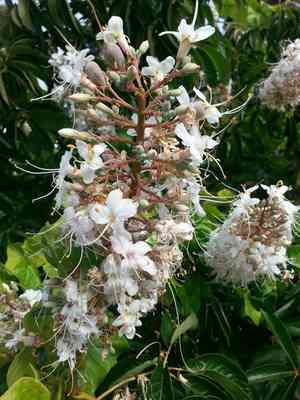
California buckeye can be reproduced through the collection of hardwood cuttings or via layering during the fall or winter seasons. Seeds may also be planted, although this approach might present more challenges. Indicators of successful propagation involve the emergence of fresh shoots or root structures. Maintaining damp soil and refraining from disrupting recently propagated cuttings are crucial.
Optimal Period for California Buckeye Propagation
Propagation Method
Cutting
Propagation Season
Autumn,Winter
Tools Required for California Buckeye Propagation
Sharp Pruning Shears
These are vital for obtaining healthy, precise cuttings from california buckeye. A clean cut promotes rapid healing and minimizes disease risk. Sharp blades are especially useful for making a clean incision through california buckeye's woody stems without crushing plant tissues, which is critical for the cutting's survival and root formation.
Rooting Hormone
This substance encourages root development from california buckeye cuttings, increasing the likelihood of successful propagation. Rooting hormone can be a powder, gel, or liquid, applied to the cut end of the stem before planting. For california buckeye, being a woody plant, a rooting hormone with a higher concentration of active ingredient might be more effective.
Sterilizer (for tools)
It prevents the transfer of pathogens to california buckeye cuttings, which can severely impact their vitality. Clean, sterilized tools are necessary to minimize infection risk, typically achieved by wiping blades with alcohol or a bleach solution before and after each cut.
Potting Mix or Other Growing Medium
A suitable medium offers support and essential nutrients for young california buckeye cuttings to establish roots. It should drain well to prevent root rot and disease, yet retain enough moisture for growth. A mixture containing perlite or vermiculite can benefit california buckeye cuttings by improving aeration and moisture retention.
Plant Pots or Trays
These containers hold the potting mix and california buckeye cuttings during the rooting phase. They must have adequate drainage holes to allow excess water to escape, which is crucial for preventing waterlogged conditions that can lead to root rot in the sensitive new roots of california buckeye.
Plastic Bags or Propagation Dome
Creating a high-humidity environment around california buckeye cuttings helps prevent water loss and wilting until new roots can absorb water. A clean, clear plastic bag or a propagation dome over the pots or trays can trap moisture in the air around the cuttings, simulating a mini-greenhouse effect.
Labeling Stakes or Tags
These are used to track propagation batches, especially when propagating multiple california buckeye cuttings with specific treatments or collected at different times. Clear labeling ensures a systematic approach, which is key for monitoring progress and success rates.
Post-Propagation Care for Your California Buckeye
Post-Propagation Care for Your California Buckeye
Once roots have formed and the california buckeye cutting shows new growth, gradually acclimate the plant to normal humidity levels by removing the plastic covering over several days. Transplant to a larger container or suitable garden spot, ensuring california buckeye receives ample water during establishment. Place in full sun to partial shade, and provide regular water during the growing season, reducing frequency as california buckeye becomes more established.
Common Propagation Mistakes to Avoid with California Buckeye
Overwatering
Watering california buckeye too often can lead to root rot, as its roots require drying out between watering sessions. This also mimics the natural dry conditions california buckeye experiences in its native habitat.
Deep planting
Planting california buckeye's seeds or seedlings too deeply can hinder their ability to sprout or establish. California buckeye requires appropriate soil depth for successful propagation.
Neglecting stratification
Failing to stratify california buckeye's seeds can result in poor germination rates. Seed stratification is the process of simulating natural conditions that seeds must experience before germination.
Ignoring soil drainage
Using soil with poor drainage can be detrimental as california buckeye thrives in well-draining soil. Poor drainage can contribute to root diseases and reduced survival rates during propagation.
Overlooking pest control
Not managing pests can severely impact california buckeye's growth. Pests can damage young plants, hindering their establishment and growth.
Tips for Propagating California Buckeye
Appropriate watering
Provide california buckeye with a balanced watering regimen. Allow the soil to dry between watering to prevent overwatering and root rot, which is crucial for california buckeye's health.
Soil depth and type
Sow california buckeye's seeds at the correct depth and use well-draining soil to encourage proper germination and root development.
Stratify seeds
Mimic natural cold periods by stratifying california buckeye's seeds to enhance germination rates. This prepares the seeds by breaking dormancy and triggering sprouting.
Ensure soil drainage
Use a planting medium that ensures good drainage to prevent waterlogged conditions, thereby supporting california buckeye's root health.
Pest management
Regularly monitor and manage pests to prevent them from affecting california buckeye's health. Protecting young seedlings from pests is essential for successful propagation.



