How to Propagate Haworth's aeonium?
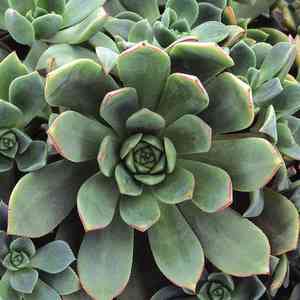
Haworth's aeonium can be multiplied in the spring or summer using soft stem sections. This technique involves severing pieces from non-lignified stalks and permitting them to form a callus prior to establishing roots in a porous substrate. The challenge level for propagation is average, yet indicators of successful multiplication encompass fresh foliage emergence and developed root structures. Essential advice for favorable outcomes includes maintaining damp, but not saturated, soil and preventing direct sun exposure until the cuttings are well-rooted.
Optimal Period for Propagating Haworth's Aeonium
Propagation Method
Cutting
Propagation Period
Spring, Summer
Tools Required for Haworth's Aeonium Propagation
Sharp pruning shears or scissors
These instruments are utilized for obtaining cuttings from haworth's aeonium, ensuring a clean incision without harming plant tissues. A precise cut aids in disease prevention and promotes quicker rooting. Stainless steel blades are beneficial due to their rust resistance and ease of sanitization.
Rooting hormone powder or gel
This compound stimulates root development when applied to the freshly severed base of haworth's aeonium cuttings. It contains synthetic auxins that mimic natural growth hormones, significantly boosting the speed and success rate of root formation in haworth's aeonium.
Clean potting containers
These vessels hold the growing medium where haworth's aeonium cuttings are placed to root. Their cleanliness is vital to minimize contamination and disease risk. Drainage holes are also crucial to prevent waterlogging, which can negatively impact haworth's aeonium's health.
Well-draining potting mix
A substrate that offers good aeration and appropriate moisture retention is essential for the rooting medium of haworth's aeonium. A perlite and peat blend or a cactus mix is perfect for fostering robust root development while reducing the chance of fungal infections in the cuttings.
Plastic bags or humidity domes
These covers help maintain a moist atmosphere around the haworth's aeonium cuttings, creating a miniature greenhouse effect. This preserves moisture around the cuttings, which is critical for preventing dehydration before roots have formed.
Sterilizing solution (e.g., alcohol or bleach solution)
Used for sanitizing cutting tools before and after taking cuttings from haworth's aeonium, as well as any other implements or containers involved. This practice reduces pathogen introduction and helps ensure the cuttings' well-being.
Labeling materials (e.g., plant tags, markers)
These items are used to mark cuttings with the date and any other pertinent details. Proper labeling is important for monitoring each cutting's progress and maintaining an organized propagation system for haworth's aeonium.
Method for Propagating Haworth's Aeonium
Propagation Type
Cutting
Difficulty Level
Easy
Post-Propagation Care for Your Haworth's Aeonium
Post-Propagation Care for Your Haworth's Aeonium
Following successful propagation, haworth's aeonium requires minimal attention to flourish. They prefer bright, indirect illumination and temperatures between 65-75 degrees Fahrenheit. Haworth's aeonium should be thoroughly watered, but only after the soil has completely dried out between waterings. Avoid allowing haworth's aeonium to sit in waterlogged soil, which can lead to root rot. Every two to three years, repot haworth's aeonium into fresh succulent mix to replenish nutrients and encourage continuous growth. During the active growth period, a diluted, balanced fertilizer can be applied monthly to support the health of haworth's aeonium.
Common Errors to Avoid When Propagating Haworth's Aeonium
Excessive watering of cuttings
Maintaining overly wet soil can lead to decay, especially during the delicate phase when haworth's aeonium's cuttings are attempting to produce roots. Saturated soil can cause the cuttings to decompose before they can establish.
Selecting cuttings from weak stems
Choosing stems that are not healthy or sufficiently robust can result in low success rates, as these parts may lack adequate energy reserves to sustain growth and root formation.
Planting cuttings too deeply
Burying cuttings excessively deep can deprive haworth's aeonium's small and fragile developing roots of oxygen, leading to rot or fungal infections.
Using unsterilized tools
Propagating with unsanitized cutting tools can introduce pathogens to the fresh cuts, which can be detrimental to haworth's aeonium cuttings and hinder successful propagation.
Advice for Propagating Haworth's Aeonium
Allowing cuttings to callous
Before planting, permit the severed end of haworth's aeonium's cutting to dry and form a callous over several days. This helps prevent rot and promotes healthy root development.
Utilizing a well-draining soil mixture
Plant haworth's aeonium cuttings in a cactus or succulent potting mix, adequately amended with sand or perlite, to ensure proper drainage and create an optimal environment for root development.
Providing indirect light
Position haworth's aeonium cuttings in an area with bright but indirect sunlight. Direct sun exposure can be too intense for the vulnerable cuttings and may cause them to wilt.
Moderate watering schedule
Water haworth's aeonium cuttings sparingly, just enough to keep the soil slightly moist but not saturated, to encourage root growth without risking rot.



