How to Propagate Baobab?
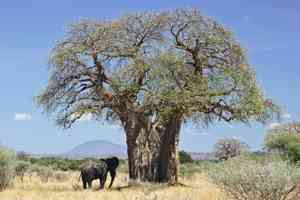
The baobab, a magnificent tree, is renowned for its extended lifespan and distinctive look, featuring an enormous trunk and expansive limbs that form a recognizable silhouette against the African savanna. To propagate baobab via cuttings, one must choose robust, semi-lignified sections. These cuttings ought to be harvested from youthful, actively growing branches, making a precise incision to prevent disease and facilitate root formation. Subsequently, the cuttings are usually treated with a rooting stimulant and placed in a potting blend that drains effectively, kept damp but not saturated to encourage root growth. Given appropriate attention, these cuttings can establish their own strong root networks, ultimately maturing into impressive baobab trees.
When Is the Optimal Time to Propagate Baobab?
Propagation Method
Cutting
Propagation Period
Autumn,Winter
What Equipment Is Used in Baobab Propagation?
Sharp pruning shears
Crucial for taking baobab cuttings, sharp pruning shears ensure clean, precise cuts, minimizing harm to the parent plant. A clean cut helps reduce infection risk and improves successful rooting in cuttings.
Rooting hormone powder
This boosts the probability of successful root formation in baobab cuttings. By encouraging faster root initiation, rooting hormone powder significantly enhances the overall health and viability of new baobab plants.
Sterilization equipment
Used for sanitizing all cutting tools and containers, sterilization equipment prevents disease spread from the parent plant to cuttings or between different cuttings. This is vital for maintaining baobab health during sensitive propagation phases.
Well-draining propagation medium
A mix specifically suited for baobab, such as sand, perlite, and peat blend, provides necessary aeration and moisture retention to support cutting root development. The medium's composition greatly influences baobab rooting success and subsequent growth.
Humidity domes
These help maintain consistent moisture levels around baobab cuttings, which is crucial for preventing them from drying out before roots can establish. Proper humidity is critical for baobab propagation success.
Heating mats
By providing a steady source of bottom heat, heating mats help maintain an optimal temperature range that can encourage faster and more robust root growth in baobab cuttings. Temperature control is particularly beneficial during cooler months.
How to Propagate Baobab?
Propagation Type
Moderately Difficult
How to Care for Your Newly Propagated Baobab?
How to Care for Your Newly Propagated Baobab?
Post-Propagation Care: Place young baobab plants in a sunny spot receiving at least 6 hours of daily light and maintain moderate watering, allowing soil to dry between waterings to mimic their natural arid environment. Shield them from cold temperatures and frost, as they are adapted to warm climates. When plants outgrow containers, transfer them to larger pots or suitable outdoor locations. Ensure ample space for the extensive root system baobab develops. Fertilize sparingly, as excessive nutrients can harm this slow-growing species.
Common Mistakes to Avoid When Propagating Baobab
Overwatering
Excessive watering can cause root rot in baobab, which thrive in dry conditions. This error can also decrease seed germination rates and contribute to fungal diseases.
Inadequate Soil Composition
Using soil that drains poorly or lacks essential nutrients can hinder baobab growth. The species is adapted to well-draining soil, and failing to provide this can lead to poor root development.
Planting Seeds Too Deeply
Baobab seeds may not sprout if planted too deep. They require a specific depth to ensure adequate light and temperature for germination.
Ignoring Seed Scarification
Neglecting to scarify baobab seeds can result in low germination rates because the tough outer shell prevents water absorption.
Using Inadequate Containers
Growing baobab in containers that are too small can restrict root growth and overall plant development, as baobab can grow quite large.
Tips For Propagating Baobab
Seed Scarification
Carefully nick or abrade the hard seed coat of baobab before sowing to improve water absorption and encourage germination.
Proper Soil Mix
Utilize a well-draining soil mixture rich in nutrients to support baobab growth, mimicking its natural habitat.
Appropriate Watering
Water baobab sparingly, allowing the soil to dry out between waterings, which reduces root rot risk and imitates the dry conditions baobab is accustomed to.
Optimal Planting Depth
Plant baobab seeds at a shallow depth to ensure proper light exposure and temperature reach the seeds, aiding in germination.
Adequate Container Size
Select a container that accommodates the large size and rapid growth of baobab, allowing for healthy root development.



