How to Propagate Black cohosh?
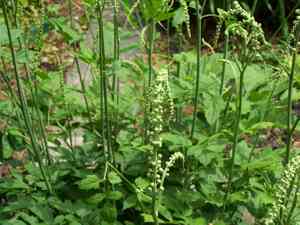
Black cohosh usually reproduces by planting seeds in the spring, presenting a moderate challenge. Effective propagation is indicated by fresh, robust development. Stratifying seeds beforehand can boost germination success if considered necessary.
When Is the Optimal Time to Propagate Black Cohosh?
Propagation Type
Sowing
Propagation Season
Spring
What Equipment Is Used for Black Cohosh Propagation?
Seed trays or flats
Seed trays or flats provide a consistent environment for starting black cohosh seeds. They allow for easy monitoring of moisture and temperature, ensuring ideal germination conditions. Their shallow depth prevents waterlogging and promotes aeration, crucial for healthy black cohosh seedlings.
Sterile potting mix
Sterile potting mix is essential for preventing disease and weed competition during the initial stages of black cohosh propagation. It supplies necessary nutrients and drainage while being free of pathogens that could harm delicate seedlings. For black cohosh, a mix with good water retention yet excellent drainage is preferred to support growth without causing root rot.
Misting bottle or system
A misting bottle or automated misting system delivers gentle hydration to black cohosh seeds without disturbing them with strong water flow. It maintains humidity around the seeds, vital for germination and preventing delicate seedling roots from drying out once they emerge.
Heating mat
A heating mat is beneficial as it provides consistent bottom heat, which can be crucial for black cohosh seed germination, promoting faster and more uniform sprouting. Since black cohosh may require specific temperature ranges for successful germination, a heating mat with thermostat control is advantageous.
Grow lights
Black cohosh seedlings need sufficient light for photosynthesis and development. If natural light is inadequate, grow lights can supply the required spectrum and intensity. An adjustable height setup ensures optimal light distance as seedlings grow, preventing legginess and encouraging strong, healthy development.
Labeling tags and markers
Using labeling tags and waterproof markers to identify seed trays helps track the propagation process. It's important to record the sowing date and specific care needs for black cohosh, enabling a systematic approach to nurturing seedlings, which impacts their survival rates and overall health.
How to Propagate Black Cohosh?
Propagation Type
Sowing
Difficulty Level
Easy
How to Care for Your Newly Propagated Black Cohosh?
How to Care for Your Newly Propagated Black Cohosh?
Once black cohosh is established, it needs minimal attention. Water the plant during extended dry periods to keep the soil moist, and mulch to retain soil moisture and suppress weeds. Fertilize lightly in spring if growth appears weak. Provide support if needed, as the plant can grow quite tall. Deadhead spent flowers to encourage more blooms and potentially prevent self-seeding, if desired. Monitor for pests and diseases, though black cohosh is generally resistant. Pruning is not usually necessary, but if required, prune in late winter or early spring before new growth begins.
Common Errors to Avoid When Propagating Black Cohosh
Overwatering cuttings
Excessive watering of black cohosh's cuttings can lead to root rot and fungal issues, as too much moisture reduces oxygen for developing roots and creates an environment favorable for pathogens.
Planting too deep
Setting black cohosh cuttings or divisions too deeply in the soil can impede or prevent new shoot development and restrict root growth, creating a challenging environment for small, new roots to emerge and thrive.
Using unsterilized tools
Employing tools that haven't been sterilized can introduce diseases to the delicate tissues of black cohosh, potentially harming or killing the propagules before they can establish themselves.
Ignoring soil composition
Neglecting to provide a well-draining soil mix for black cohosh can result in waterlogging and subsequent root problems, as black cohosh requires a balance of moisture retention and drainage to flourish.
Neglecting initial care
Failing to provide appropriate care (such as humidity and consistent moisture) immediately after propagation can lead to desiccation and failure of black cohosh cuttings to root, as they need stable conditions to establish a new root system.
Tips For Propagating Black Cohosh
Rooting hormone application
Applying a rooting hormone to black cohosh cuttings can significantly boost the success rate of root development, as it stimulates root growth and helps protect the cut site from infections.
Moisture regulation
Maintaining a balance between moisture and aeration in the soil ensures optimal conditions for black cohosh's root development, as either too much or too little water can be detrimental to new growth.
Soil fertility
Preparing soil with adequate fertility levels by incorporating organic matter can supply the necessary nutrients for black cohosh cuttings or divisions to establish a strong root system and vigorous growth.
Proper division technique
Dividing black cohosh carefully to include ample root sections and at least one or two shoots will ensure each division has the resources needed to recover and grow independently after propagation.
Environmental control
Providing a controlled environment that shields black cohosh's new propagules from extreme conditions like strong wind, direct sunlight, or heavy rain will protect the delicate new growth during the crucial establishment phase.



