How to Propagate Noble yarrow?
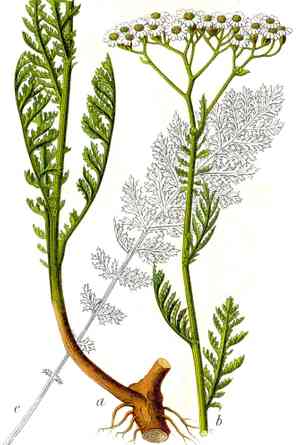
Achillea nobilis is a perennial plant recognized for its medicinal properties and aesthetic appeal. Multiplying Achillea nobilis is efficiently achieved via separation, a straightforward technique that promotes robust groupings. Utilizing sanitized implements, separate the root mass into portions, each possessing sufficient roots and stems. Promptly reintroduce these into porous soil, making sure the plant's base rests at the soil surface to encourage prime development.
Optimal Period for Noble Yarrow Propagation
Propagation Method
Seeding
Propagation Period
Spring
Tools for Noble Yarrow Propagation
Seed trays
Seed trays are perfect for planting noble yarrow seeds in a controlled setting. Their compact design allows for efficient use of space and can hold many seeds, which helps achieve consistent growth during the initial propagation phases.
Potting mix
A well-draining, nutrient-rich potting mix is vital for successful noble yarrow seed germination. This mix supports root growth and provides essential nutrients, enhancing the early development and health of the seedlings.
Misting bottle
A misting bottle is crucial for gently watering noble yarrow seeds without disturbing them. It helps maintain necessary humidity and moisture levels, which are critical for germination and preventing the soil surface from drying out.
Grow lights
Grow lights are especially useful when propagating noble yarrow indoors or in areas with insufficient natural light. They provide the necessary light spectrum to support photosynthesis and healthy growth in young plants, ensuring strong development during critical early stages.
Heat mat
A heat mat can be used to maintain an optimal soil temperature, which benefits noble yarrow seed germination. Stable temperatures can significantly improve germination rates and promote uniform growth among seedlings.
How to Propagate Noble Yarrow?
Propagation Type
Simple
Caring for Your Newly Propagated Noble Yarrow
Caring for Your Newly Propagated Noble Yarrow
Once seedlings are robust enough and the risk of frost has passed, transfer them to a sunny spot in well-drained garden soil. Noble yarrow prefers full sun but can tolerate partial shade. Water regularly during extended dry periods, but avoid overwatering as noble yarrow does not thrive in soggy soil. Moderate feeding with a general-purpose fertilizer every 4-6 weeks during the growing season will support healthy growth. Removing spent flowers can encourage more blooms and prevent self-seeding if not desired.
Common Mistakes to Avoid When Propagating Noble Yarrow
Overwatering
Excessive watering can lead to waterlogged soil, which is harmful for noble yarrow as it prefers well-drained conditions. Too much moisture in the soil can cause root rot and fungal diseases, severely impacting the plant's health and reducing propagation success.
Deep planting
Planting noble yarrow cuttings or seeds too deeply can hinder their ability to sprout and establish. Deep planting can prevent sufficient light exposure needed for optimal growth and can also increase the risk of fungal infections in the stem or root area.
Ignoring pH levels
Not adjusting the soil to suit noble yarrow's slightly alkaline preference can inhibit its growth. Incorrect pH levels can restrict nutrient uptake, negatively affecting the plant's overall vigor and reducing propagation success.
Tips For Propagating Noble Yarrow
Use sharp tools
Using sharp, clean cutting tools ensures a precise cut that heals quickly and minimizes damage. This is crucial for noble yarrow to reduce the risk of disease entering through wounds and to promote healthier root development from cuttings.
Prepare well-draining soil
Noble yarrow thrives in well-drained soil. Preparing a mix that includes components like sand or perlite can improve drainage and aeration, creating an ideal environment for roots to develop without being waterlogged.
Moderate watering
Maintaining a balance in watering is crucial for noble yarrow. It is important to keep the soil moist but not wet. Consistently checking the top layer of the soil for dryness before watering can help manage the moisture level and support successful propagation.



