How to Propagate Common yarrow?
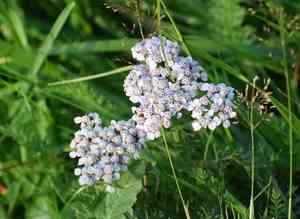
Achillea millefolium predominantly reproduces via separation during the spring or fall seasons. This propagation method is quite straightforward, with successful outcomes indicated by fresh shoots emerging from the separated portions. Ensure the divided segments remain hydrated and receive sufficient sunlight for optimal development.
Optimal Time for Common Yarrow Propagation
Propagation Method
Splitting
Propagation Period
Spring, Autumn
Tools for Common Yarrow Propagation
Garden Spade or Fork
Utilized for separating established common yarrow clumps in the garden. The sharp, flat edge of the spade or the tines of the fork are employed to dig around and beneath the plant, then to carefully pry and divide the clump into smaller portions. These implements enable precise cuts and minimal root damage, crucial for successful common yarrow division.
Pruning Shears
These are employed to trim any dead or excess foliage before or after dividing the clumps. This aids in reducing transplant shock and balancing the root-to-shoot ratio, promoting successful establishment of the propagated common yarrow.
Dibber or Transplanting Trowel
A dibber can create appropriately sized holes for planting the divided common yarrow clumps without disturbing nearby plants. A transplanting trowel serves a similar purpose, making holes and assisting with the careful placement of new divisions in the soil.
Watering Can or Hose with a Gentle Spray
Ensures that once common yarrow divisions are planted, they receive a gentle and thorough watering. Sufficient moisture is vital to help the new plants establish roots and recover from the stress of division.
Root Growth Hormone (optional)
Although common yarrow can typically be propagated successfully without it, root growth hormone can be applied to the cut surfaces of the divisions to encourage root development. This can be particularly beneficial if the divisions have small root systems or if growing conditions are suboptimal.
How to Propagate Common Yarrow?
Propagation Method
Division
Difficulty Level
Simple
Caring for Your Newly Propagated Common Yarrow
Caring for Your Newly Propagated Common Yarrow
After propagating common yarrow, ensure they remain moist, especially during their initial growing season as they establish. Water deeply once weekly if rainfall is insufficient. Common yarrow prefers full sun but tolerates partial shade. They are drought-tolerant once established and require minimal fertilization. Remove spent flowers to encourage further blooming and prevent unwanted self-seeding. Divide common yarrow every 2-3 years to rejuvenate and manage their spread.
Common Mistakes to Avoid When Propagating Common Yarrow
Overwatering
Excessive watering can lead to root rot or fungal diseases, as common yarrow prefers well-drained soil. Too much moisture can impede root development and decrease the chances of successful propagation.
Poor soil preparation
Failure to prepare a soil mix with adequate drainage can cause water to accumulate around common yarrow cuttings or roots, preventing proper root establishment and growth.
Using dull tools
Cutting common yarrow for propagation with blunt tools can damage tissues, leading to poor root development or increased susceptibility to disease.
Ignoring plant health
Propagating from diseased or weak common yarrow specimens can result in poor growth or spread of disease to new plants. It is crucial to start with healthy parent plants.
Deep planting
Planting common yarrow cuttings or divided clumps too deeply can limit oxygen availability to new roots and may prevent shoots from reaching the soil surface, hindering growth.
Tips For Propagating Common Yarrow
Rooting hormone
Applying a rooting hormone to common yarrow cuttings can encourage faster root development and increase the likelihood of successful propagation.
Adequate spacing
Providing sufficient space between planted common yarrow cuttings or divisions allows for proper airflow and reduces competition for nutrients, leading to healthier growth.
Sharp tools
Using sharp, clean tools to take common yarrow cuttings or divide them ensures clean cuts that heal quickly and reduce the risk of disease transmission.
Partial shade
While rooting, common yarrow cuttings benefit from partial shade to prevent excessive water loss through transpiration, supporting better root development.
Regular monitoring
Keeping a close eye on moisture levels, rooting progress, and potential signs of distress or disease in common yarrow during propagation can help in making timely adjustments to care.



