How to Propagate Bigleaf maple?
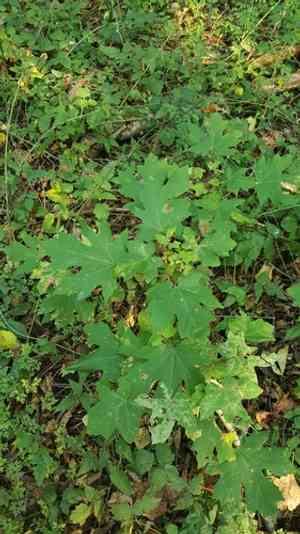
Acer macrophyllum is most effectively multiplied in the fall and winter seasons via dormant stem cuttings, air layering, or seed planting. The ease of propagation differs, yet indicators of successful multiplication encompass fresh shoots and root formation. Essential advice for propagation involves employing a rooting stimulant and ensuring appropriate substrate conditions for the selected propagation technique.
Optimal Time for Bigleaf Maple Propagation
Propagation Method
Cutting
Propagation Period
Fall,Winter
Tools for Bigleaf Maple Propagation
Pruning Shears
These are utilized to obtain cuttings from mature bigleaf maple trees. Their sharp, clean blades ensure a precise cut, minimizing harm to the parent plant and enhancing the cutting's rooting potential. Disinfecting shears prevents disease transmission during propagation.
Rooting Hormone
This compound stimulates root development in bigleaf maple cuttings, boosting propagation success rates. The hormone encourages root cell formation at the cut site, particularly beneficial for hardwood species like bigleaf maple that may root more slowly or with difficulty.
Potting Mix
A well-draining, sterile potting medium offers an ideal environment for bigleaf maple cuttings. It supports aeration and moisture retention vital for healthy root system development while reducing the risk of soil-borne pathogens.
Propagating Trays or Pots
These containers hold bigleaf maple cuttings and potting mix. They should feature drainage holes to prevent waterlogging. Clear lids or plastic wrap can be used to maintain high humidity around cuttings, mimicking a greenhouse environment.
Misting Bottle
A misting bottle aids in maintaining necessary humidity levels for bigleaf maple cuttings. Regular misting ensures leaves do not dry out before roots establish, which is crucial for their survival.
Heating Mat (Optional)
While not strictly essential, a heating mat can provide warmth from below, encouraging faster root growth in bigleaf maple cuttings. This is especially useful in cooler climates or during colder times of the year.
Post-Propagation Care for Your Bigleaf Maple
Post-Propagation Care for Your Bigleaf Maple
Once bigleaf maple cuttings have rooted, indicated by new growth, gradually acclimate them to outdoor conditions by removing the humidity cover for increasing durations. After several weeks, transplant the young bigleaf maple into larger containers or directly into the ground if the season is suitable. Provide them with well-draining soil and full sun to partial shade. Water consistently during the initial growing season to ensure establishment. Apply mulch around the base to retain soil moisture and shield young roots from temperature extremes.
Common Errors to Avoid When Propagating Bigleaf Maple
Neglecting humidity requirements
Without adequate humidity, bigleaf maple's cuttings may fail to root, as they can desiccate before roots develop.
Using non-sterile tools
Cuttings may become infected with pathogens, leading to disease or poor growth if tools are not sanitized.
Taking cuttings from weak or diseased plants
Cuttings from such sources likely result in weak propagation or disease spread, compromising the health of new plants.
Overwatering cuttings
Excessive moisture can cause rot in bigleaf maple cuttings, hindering root growth and leading to fungal issues.
Ignoring soil composition
Bigleaf maple requires well-draining soil; neglecting this can lead to water retention and root rot, detrimental to the propagation process.
Advice for Propagating Bigleaf Maple
Use softwood cuttings
Bigleaf maple's best chance for rooting comes from softwood cuttings, which possess the ideal balance of mature and immature tissues.
Maintain high humidity
To encourage rooting, maintain a humid environment for bigleaf maple cuttings without saturation, achievable with a humidity dome or misting.
Use rooting hormone
Applying a rooting hormone to the cut end of bigleaf maple cuttings can significantly enhance the likelihood of successful root development.
Monitor for rooting
Regularly check bigleaf maple cuttings for rooting progress, but do so gently to avoid disturbing developing roots.
Ensure proper aeration
While the soil should be moist for bigleaf maple, ensuring the soil mixture is loose and well-aerated will prevent waterlogging and promote healthy root growth.



