How to Propagate Paperbark maple?
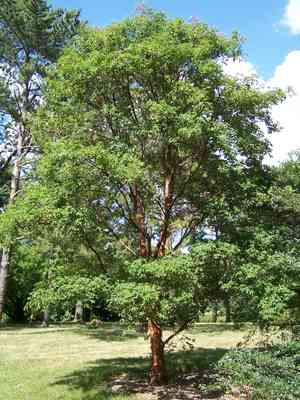
The paperbark maple is prized for its appealing peeling copper-brown bark and vibrant autumn leaves. To achieve successful propagation, semi-hardwood cuttings ought to be harvested from robust, uninfected branches. Employ a rooting stimulant to boost root growth and confirm that the cutting substrate drains effectively and remains uniformly damp, yet not saturated. Supplying a warm setting and sustaining elevated humidity levels around the cuttings can additionally foster root development. Perseverance is crucial, as the paperbark maple might require more time to establish roots compared to other plant varieties.
When Is the Optimal Time to Propagate Paperbark Maple?
Propagation Method
Cutting
Propagation Period
Autumn,Winter
What Equipment Is Used in Paperbark Maple Propagation?
Sharp Pruning Shears
These are vital for obtaining clean and precise cuttings from paperbark maple. A keen edge ensures a neat cut, minimizing harm to the parent plant and enhancing the likelihood of successful rooting in the cutting. It is imperative that the shears are sanitized prior to use to prevent disease transmission between plants.
Rooting Hormone Powder
This elevates the probability of successful root formation in paperbark maple cuttings. The hormone encourages root development from the cut surface, which is crucial for the cuttings to become established and grow independently. Applying rooting hormone is especially beneficial as paperbark maple might otherwise root slowly or with difficulty.
Propagation Tray
Utilized for planting and arranging paperbark maple cuttings. A tray enables multiple cuttings to root simultaneously in a controlled setting, maintaining suitable humidity and temperature that promotes root growth.
Peat-based Potting Mix
This medium is perfect for rooting paperbark maple cuttings, as it holds moisture while still providing sufficient drainage. The mix should be sterile to inhibit the growth of fungi or bacteria that could harm the cuttings before they take root.
Plastic Dome or Cover
Placing this over the propagation tray creates a miniature greenhouse effect, keeping the air around the paperbark maple cuttings moist and warm. This environment is favorable for root development and helps prevent the cuttings from drying out.
How to Propagate Paperbark Maple?
Propagation Difficulty
Moderately Difficult
How to Care for Your Newly Propagated Paperbark Maple?
How to Care for Your Newly Propagated Paperbark Maple?
Following propagation, gradually introduce the young paperbark maple to less humid conditions by periodically removing the plastic covering. Ensure the plant is situated in a spot with partial to full sun exposure and irrigate regularly to keep the soil consistently moist. As paperbark maple matures, it will require feeding with a balanced, slow-release fertilizer to support robust growth. Safeguard young plants from extreme temperatures and pests by routinely monitoring and adjusting care as needed.
Common Errors to Avoid When Propagating Paperbark Maple
Ignoring root space
Underestimating the area needed for paperbark maple's root expansion can hinder its development. Paperbark maple requires ample room for roots, particularly if using cuttings or seedlings. Restricted roots will impede proper nutrient absorption and plant stability.
Inadequate wound care
Failing to properly treat the cuts after severing branches for propagation may introduce pathogens to paperbark maple. A clean cut and correct wound treatment prevent diseases and support better healing.
Overwatering cuttings
Excessive watering of paperbark maple's cuttings can lead to root rot. While soil should remain moist, too much water eliminates necessary air pockets, reducing oxygen available to roots and encouraging fungal growth.
Neglecting humidity
Paperbark maple cuttings need a high humidity environment to prevent them from drying out before they root. Ignoring this requirement can result in water loss and failure to root.
Impatience with seeds
Being impatient with paperbark maple seed germination is a common error. Paperbark maple's seeds may take longer to sprout, and premature interference can damage the delicate seedlings.
Tips For Propagating Paperbark Maple
Rooting hormone
Utilizing a rooting hormone enhances the chances of successful propagation for paperbark maple. It stimulates root growth and helps the cutting to establish more quickly.
Adequate light
Providing consistent but indirect light aids in the stable growth of paperbark maple cuttings or seedlings. Direct sunlight can be too intense, but insufficient lighting can weaken the plant.
Soil composition
Employing the correct soil mixâwell-draining but capable of retaining moistureâis vital for paperbark maple. A balance between aeration and moisture retention supports healthy root development.
Gentle watering
It is crucial to water paperbark maple propagates gently to avoid dislodging seeds or disturbing new roots. A spray bottle or a watering can with a fine rose attachment is ideal.
Stratification of seeds
Paperbark maple seeds can greatly benefit from stratification. This process mimics natural weathering conditions that break seed dormancy and promote germination.



