How to Propagate Rocky mountain maple?
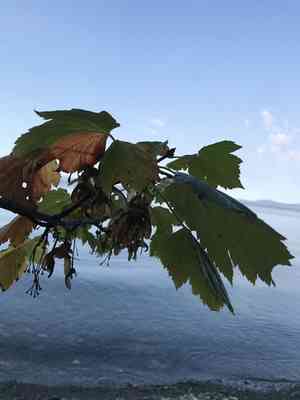
Originating from elevated terrains, rocky mountain maple flourishes with propagation techniques suited to its hardiness and flexibility. To achieve successful propagation, initiating with semi-hardwood cuttings yields favorable results. A substrate that drains effectively improves root development, and sustaining steady humidity without oversaturation is essential. Employing rooting compounds can accelerate the emergence of roots, strengthening the base for vigorous expansion. Meticulous care in providing a temperate setting reduces strain on the cuttings, fostering a seamless integration as they take hold. This approach mirrors a streamlined version of rocky mountain maple's inherent inclination to multiply in its indigenous environment.
What Is the Best Time To Propagate Rocky Mountain Maple?
Propagation Type
Cutting
Propagation Season
Fall,Winter
What Tools Are Used in Rocky Mountain Maple Propagation?
Sharp pruning shears
These are vital for taking cuttings from rocky mountain maple. Keen blades ensure a clean cut, minimizing harm to the parent plant and the cutting. Clean cuts help prevent disease and promote quicker healing and root growth.
Rooting hormone
This chemical encourages root development in cutting-based propagation of rocky mountain maple. Applying rooting hormone to the cut stem end increases the likelihood of successful rooting, which is crucial for new plant establishment.
Sterile potting mix
Using a sterile substrate is essential for rocky mountain maple propagation to prevent introducing pathogens that could harm the cuttings. A well-draining and nutrient-rich mix supports new root growth.
Propagation trays
These trays are used to hold multiple rocky mountain maple cuttings in a controlled setting. They help maintain necessary humidity and temperature, both important for enhancing rooting success.
Plastic covers or humidity domes
These covers help maintain high humidity around rocky mountain maple cuttings, which is vital for encouraging root development. High humidity helps prevent moisture loss from cuttings, ensuring better survival and growth rates.
Heat mats
These mats gently warm the soil, promoting faster root growth in rocky mountain maple cuttings. Consistent, moderate bottom heat can significantly improve rooting effectiveness during colder months or in cooler climates.
How to Propagate Rocky Mountain Maple?
Propagation Type
Moderately Difficult
How to Care for Your Newly Propagated Rocky Mountain Maple?
How to Care for Your Newly Propagated Rocky Mountain Maple?
Once rocky mountain maple cuttings have rooted and new growth appears, gradually acclimate them to less humidity by removing the cover for longer periods daily. After they are well-established, transfer them to larger pots or suitable outdoor locations, using well-draining soil. Ensure they receive ample sunlight and water them regularly, allowing the soil to dry slightly between waterings. During the growing season, feed rocky mountain maple with a balanced, slow-release fertilizer to promote healthy growth. In winter, provide protection from harsh conditions if planted outdoors. Prune regularly to maintain a desirable shape and promote a strong structure.
Common Mistakes to Avoid When Propagating Rocky Mountain Maple
Improper Cutting Selection
Choosing cuttings that are either too young or too old can lead to poor root development. For rocky mountain maple, it's vital to select semi-hardwood cuttings, as they have the optimal balance of maturity and growth potential.
Poor Wound Handling
While taking cuttings, rough handling can damage the cambial layer, which is crucial for root initiation. Delicate handling ensures the best chance for rocky mountain maple cuttings to develop roots.
Incorrect Moisture Level
Providing too little or too much water can be detrimental. Inadequate moisture can dry out rocky mountain maple's cuttings, while excessive moisture can cause rot and fungal infections.
Neglecting Hygiene
Not sterilizing cutting tools or containers can introduce pathogens to rocky mountain maple cuttings, greatly reducing the chances of successful propagation.
Overlooking Soil Medium
Using an incorrect soil medium can impede the rooting process. A medium that doesn't promote good drainage and aeration can affect the root health of rocky mountain maple.
Tips For Propagating Rocky Mountain Maple
Appropriate Cutting Selection
Choose healthy, semi-hardwood stems from the current or last season's growth of rocky mountain maple. These cuttings have a higher success rate for rooting.
Clean Cuts
Make clean cuts just below a node using sterilized, sharp pruning shears to avoid damage and possible disease in rocky mountain maple.
Balanced Moisture
Rooting medium should be consistently moist but not waterlogged to support the development of rocky mountain maple. A misting system can help maintain the right humidity.
Sanitary Practices
Always use sterile equipment and containers to prevent the spread of disease when propagating rocky mountain maple, and ensure your hands are clean before handling cuttings.
Suitable Rooting Medium
Prepare a well-draining and aeration-promoting soil mix, or use a perlite and peat blend for the rooting of rocky mountain maple's cuttings.



