How to Propagate Field maple?
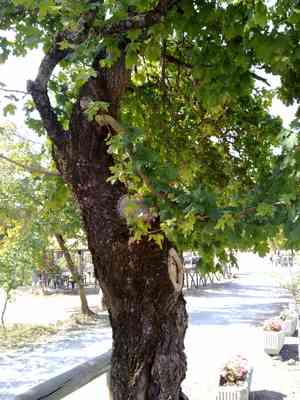
Acer campestre, characterized by its palmate foliage and sleek grey epidermis, is amenable to propagation via cuttings. Individuals aiming to increase their Acer campestre collection should collect semi-lignified cuttings in the middle of summer, when the plant's development is recent yet starting to firm up. For effective root development, a porous substrate is essential, augmented by applying a rooting stimulant to the cutting's base. Steady hydration and elevated temperatures significantly boost the likelihood of Acer campestre forming strong root systems, enabling transplantation once new growth is observed.
What Is the Best Time To Propagate Field Maple?
Propagation Type
Cutting
Propagation Season
Autumn,Winter
What Tools Are Used in Field Maple Propagation?
Sharp Pruning Shears
Crucial for taking cuttings, sharp pruning shears guarantee a clean, precise cut, essential for field maple's successful propagation. Clean cuts help prevent disease and damage to the parent plant and improve the rooting chances of the cuttings.
Rooting Hormone Powder
This product encourages root growth from cuttings of field maple. By dipping the cut end of a cutting into rooting hormone, it enhances the development of healthy roots, which is crucial for field maple that might otherwise struggle to form roots rapidly.
Sterilization Solution for Tools
Used for cleaning the pruning shears and other tools before cutting. This reduces the risk of transmitting diseases to field maple, ensuring that both the parent and new plants remain healthy.
Propagation Trays
These trays hold the cuttings of field maple in an organized manner and maintain the required humidity and temperature to facilitate root development. Trays also help in handling multiple cuttings efficiently.
Perlite or Vermiculite
These substrates are added to the soil to improve aeration and drainage, creating an ideal rooting medium for field maple cuttings. They prevent soil compaction, thereby encouraging healthier root growth and preventing root rot.
Plastic Covers
Fitting over the propagation trays, plastic covers help maintain high humidity around field maple cuttings, which is crucial for their survival and growth until they can be transplanted. These covers also prevent moisture loss from the cuttings.
How to Propagate Field Maple?
Propagation Type
Moderately Difficult
How to Care for Your Newly Propagated Field Maple?
How to Care for Your Newly Propagated Field Maple?
Once the cutting of field maple has established roots, typically visible after a few weeks, gradually acclimatize the plant to less humid conditions by removing the cover. Water the young field maple regularly to keep the soil moist but not soggy, and provide a balanced liquid fertilizer monthly during the growing season. As field maple grows, transplant to a larger pot or directly in the garden adhering to spacing guidelines for proper air circulation and growth. Protect young plants from extreme temperatures and monitor regularly for signs of pests or disease.
Common Mistakes to Avoid When Propagating Field Maple
Inadequate rooting medium
Using soil that's too dense can impede root development for field maple cuttings. A medium that doesn't facilitate proper aeration and drainage may lead to rotting and reduced propagation success.
Excessive moisture
Overwatering field maple cuttings or seeds can cause fungal growth and rot, which is detrimental to the plant's health and propagation outcome.
Neglecting to use rooting hormones
Skipping rooting hormone application when propagating field maple through cuttings might result in poor or delayed root formation, as it aids in stimulating root growth.
Improper cutting selection
Taking cuttings that are too young or too weak from the parent field maple can decrease the chance of successful propagation, as these might lack the necessary vigor and resources to establish roots.
Tips For Propagating Field Maple
Use well-draining rooting medium
Select a loose, airy substrate like a mix of perlite and peat for field maple, ensuring the cutting has access to moisture without being waterlogged.
Monitor water levels
Keep the rooting medium for field maple evenly moist but not saturated, providing a balanced environment for root growth.
Apply rooting hormone
For propagating field maple through cuttings, use rooting hormone to promote quicker root development, enhancing the likelihood of success.
Select healthy cuttings
Choose robust, mature cuttings from field maple, generally from semi-hardwood, to ensure they have the best chance of rooting and growing into healthy plants.



