How to Propagate Bear's breech?
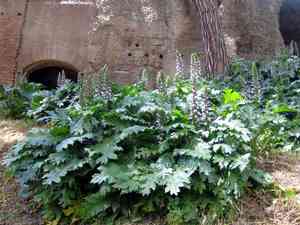
Acanthus mollis reproduces best when seeds are planted in early spring. This species exhibits a moderate challenge level for propagation. The appearance of robust young plants signifies successful reproduction. Provide sufficient humidity and heat throughout the sprouting phase.
Optimal Time for Bear's Breech Propagation
Propagation Method
Seeding
Propagation Period
Spring
Tools Required for Bear's Breech Propagation
Seed trays
These shallow containers are essential for initiating bear's breech seeds in a regulated setting. They enable numerous seeds to be sown systematically, and their limited depth is perfect for small seeds. Trays also simplify monitoring moisture and temperature, both critical for successful germination.
Potting mix
A premium, well-draining potting medium supplies the necessary nutrients and aeration for bear's breech seedlings. Its loose texture facilitates easy root growth and helps prevent waterlogging, which could cause root rot in young plants.
Misting bottle
For bear's breech, maintaining high humidity around seed trays is crucial for germination. A misting bottle provides gentle hydration that doesn't disturb or wash away seeds. Regular misting keeps the soil moist without becoming excessively wet.
Heating mat
Bear's breech benefits from a steady, warm temperature to aid germination. A heating mat placed beneath seed trays can provide a consistent heat source, mimicking the warm conditions bear's breech seeds would encounter naturally, thereby improving germination rates.
Grow light
If natural light is insufficient, a grow light can provide the necessary light spectrum for bear's breech seedlings to photosynthesize effectively. This is especially useful during times of the year when daylight is limited or when cultivating indoors.
Transparent dome or plastic wrap
This item helps maintain consistent humidity and temperature around seedlings by acting as a mini-greenhouse. A clear dome or wrap allows light penetration while trapping warmth and moisture, promoting better germination for bear's breech.
How to Propagate Bear's Breech?
Propagation Method
Seeding
Difficulty Level
Simple
Caring for Your Newly Propagated Bear's Breech
Caring for Your Newly Propagated Bear's Breech
Bear's breech plants thrive in sunny to partially shaded garden spots with well-draining soil. They need consistent watering, especially during dry periods, but can tolerate some drought once established. Apply a layer of mulch around the plant's base to retain moisture and suppress weeds. Trim back foliage after it dies in the fall to keep the area neat and encourage vigorous spring growth. Divide plants every few years to maintain their vitality and propagate further if desired. Watch for pests and diseases, though bear's breech is generally quite robust and resistant to most common garden issues.
Common Errors to Avoid When Propagating Bear's Breech
Excessive watering of cuttings
Overwatering bear's breech cuttings can lead to root rot, impeding root development and potentially killing the propagating plant.
Using diseased or weak parent plants
Propagating bear's breech from unhealthy or feeble parent plants often results in poor establishment or even the spread of disease to new plants.
Ignoring soil drainage
Using a poorly draining soil mix for bear's breech cuttings can lead to waterlogged conditions, which are detrimental to root development and can cause fungal infections.
Neglecting environmental humidity
Failing to maintain high relative humidity around bear's breech cuttings can cause excessive water loss from leaves, stressing the plant and reducing rooting success.
Planting cuttings too deep
Inserting bear's breech cuttings too deeply into the substrate may reduce oxygen availability, leading to poor rooting and potential stem rot.
Tips For Propagating Bear's Breech
Healthy parent plant selection
Choosing robust and disease-free parent plants for propagation significantly increases the chances of successful rooting and growth for bear's breech.
Adequate moisture balance
Providing bear's breech cuttings with consistent moisture â neither too wet nor too dry â is crucial for successful root development without risking rot or desiccation.
Well-draining soil mix
Utilizing a soil mix with good drainage helps prevent waterlogging around bear's breech roots, fostering healthy root growth.
Humidity control
Maintaining a humid environment for bear's breech cuttings can help prevent leaf desiccation, while still ensuring airflow to reduce the risk of fungal infections.
Proper cutting depth
Planting bear's breech cuttings at the correct depth ensures sufficient oxygen access while allowing them to form roots effectively.



