How to Propagate Hop wattle?
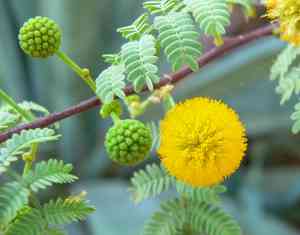
Dodonaea viscosa, a robust shrub originating from Australia, thrives optimally in porous ground and demands little upkeep. To propagate, sever robust, semi-lignified stems directly beneath a joint, making sure they measure roughly four to six inches in length. Submerge the severed tip in rooting compound prior to inserting it into a highly aerated growing medium. Sustaining moisture and moderate illumination will stimulate root formation, resulting in effective propagation.
When Is the Optimal Time to Propagate Hop Wattle?
Propagation Method
Cutting
Propagation Period
Spring,Summer
What Equipment Is Utilized in Hop Wattle Propagation?
Pruning Shears
Pruning shears are vital for obtaining semi-hardwood cuttings from hop wattle. They deliver precise cuts that minimize harm to plant tissues, which is essential for successful rooting.
Rooting Hormone
Rooting hormone, typically in powder, liquid, or gel form, is applied to the severed ends of hop wattle cuttings to stimulate root formation and boost the propagation success rate.
Propagation Trays
Propagation trays offer a regulated setting for hop wattle cuttings to develop roots. They aid in maintaining consistent moisture levels and enhancing air circulation, which are crucial for robust root growth.
Sterile Growing Medium
A well-draining, sterile growing medium, such as a blend of perlite and peat moss, supports root development in hop wattle cuttings while preventing fungal and bacterial infections.
Mist Sprayer
A mist sprayer is employed to keep hop wattle cuttings damp without saturating them. Regular misting helps replicate the natural humidity required for successful rooting.
Humidome
A humidome establishes a humid environment that reduces water loss through transpiration in hop wattle cuttings, thereby improving their capacity to root. It is particularly beneficial in arid climates.
Heat Mat
A heat mat positioned beneath the propagation tray provides warmth from below, which encourages root growth in hop wattle cuttings by maintaining an ideal soil temperature.
How to Propagate Hop Wattle?
Propagation Difficulty
Moderately Difficult
How to Nurture Your Newly Propagated Hop Wattle?
How to Nurture Your Newly Propagated Hop Wattle?
Once the cuttings have established roots, gradually introduce them to typical room conditions by removing the plastic bag for extended periods daily. When well-rooted, transfer them into individual pots with well-draining soil. Water the young plants regularly, but allow the soil to dry slightly between waterings. Monitor for pests and diseases and provide full sun to partial shade as they mature.
Common Errors to Avoid When Propagating Hop Wattle
Improper seed scarification
Failing to scarify the seeds leads to poor germination. Hop wattle's seeds possess a tough outer layer that requires treatment to permit water absorption.
Insufficient watering
Excessive watering can cause root rot, while inadequate watering can dehydrate delicate seedlings. Maintaining balanced moisture is vital for hop wattle.
Incorrect soil selection
Utilizing soil that retains too much moisture can result in fungal issues and poor root development. Hop wattle thrives in well-draining soil.
Lack of sunlight
Insufficient sunlight can hinder growth and result in weak plants. Hop wattle needs ample light for healthy development.
Neglecting temperature control
Exposing seedlings to fluctuating temperatures can impede growth. Hop wattle requires stable temperatures to flourish.
Advice For Propagating Hop Wattle
Scarify seeds
Nick the seed coat or soak seeds in hot water for 24 hours to break dormancy and enhance germination success.
Maintain optimal moisture
Keep the soil consistently moist but not waterlogged to support seedling development. Use a spray bottle to avoid overwatering.
Use well-draining soil
Opt for a mix that includes sand or perlite to ensure proper drainage and prevent root rot in hop wattle.
Provide adequate sunlight
Place seedlings in a bright, sunny location or use grow lights to ensure they receive sufficient light for healthy growth.
Control temperature
Keep the environment consistently warm to encourage seedling growth. Avoid placing seedlings in areas with drafts or temperature fluctuations.



