How to Propagate Blackwood?
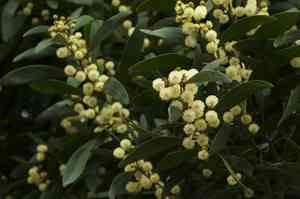
Blackwood reproduces well via cutting and layering methods, predominantly in the springtime. This procedure can be somewhat difficult, with indicators of success being fresh shoots and root development. Crucial advice: Maintain suitable hydration levels for the best outcomes.
Optimal Propagation Period for Blackwood
Propagation Type
Cutting
Propagation Season
Autumn,Winter
Essential Tools for Blackwood Propagation
Pruning shears
Used for obtaining cuttings from a mature blackwood specimen, these shears must be sharp and clean to ensure a precise cut without harming plant tissue, which significantly aids successful rooting by preventing infection and stress.
Rooting hormone
This compound promotes root development on blackwood cuttings by stimulating root cell formation. Applying an appropriate rooting hormone to the cut end can lead to more efficient and robust root growth, crucial for new plant establishment.
Sterile potting mix
A clean, nutrient-rich medium is vital for cuttings to flourish. Sterile potting mix minimizes the risk of soilborne diseases affecting the delicate new blackwood roots, providing a safe initial growth environment.
Propagator or humidity dome
Maintaining sufficient humidity around blackwood cuttings is critical to prevent moisture loss from leaves. A propagator or humidity dome creates a microclimate that supports consistent moisture levels, enhancing rooting success.
Heating mat
For ideal root development, the propagation medium's base temperature should be regulated. A heating mat is particularly beneficial for blackwood, providing consistent bottom warmth that encourages rapid root growth during propagation.
Misting system or spray bottle
These tools are crucial for maintaining humidity around blackwood cuttings. Regular misting helps prevent desiccation of cuttings before roots establish, which is vital for their survival.
Sterilizing solution
Used for cleaning propagation tools and containers, this solution prevents pathogen transmission to blackwood cuttings. Sterile conditions are paramount in propagation to avoid diseases that could jeopardize the attempt.
Post-Propagation Care for Your Blackwood
Post-Propagation Care for Your Blackwood
Following propagation, gradually introduce young blackwood plants to drier conditions to harden them before permanent planting. Provide well-drained soil, full sun to partial shade, and regular watering for establishment. Blackwood prefers slightly acidic to neutral soil pH but tolerates various soil conditions. Mulch benefits plants by conserving moisture and regulating soil temperature. Monitor for pests and diseases, treating as needed.
Common Errors to Avoid When Propagating Blackwood
Overwatering
Excessive irrigation can cause root rot, which is harmful to blackwood, as it prefers well-drained soils. Furthermore, too much water can reduce oxygen availability to roots, hindering proper growth.
Deep planting
When propagating blackwood with seeds or cuttings, planting them too deeply can impede their ability to sprout or root due due to insufficient light and air access.
Neglecting pre-treatment
Blackwood seeds have a tough outer layer, which may require scarification or hot water treatment before sowing. Skipping this step can lead to poor germination rates.
Ignoring soil conditions
Blackwood thrives in a fertile, well-draining growing medium. Using unsuitable soil, such as heavy clay or overly sandy types, can restrict its establishment and growth.
Advice for Propagating Blackwood
Use fresh seeds
Blackwood seeds lose viability over time. For higher germination rates, it's crucial to use fresh, viable seeds that have been stored correctly.
Soil preparation
Create an appropriate growing medium by incorporating compost or well-rotted manure to ensure adequate nutrition and drainage for blackwood's roots.
Adequate spacing
When sowing blackwood seeds or planting cuttings, maintain sufficient space between propagules to allow for ample growth and access to sunlight.
Control pests
Keep an eye out for pests and diseases that can affect blackwood during its early growth stages. Protect young plants by taking appropriate control measures when necessary.



