How to Propagate Small Philippine Acacia?
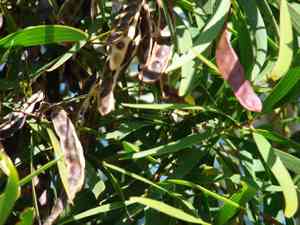
Hailing from Asia, the diminutive Philippine Acacia is noted for its robustness and versatility, flourishing across diverse environments. To achieve successful propagation, employing semi-hardwood cuttings is the most efficient method. Cultivators ought to choose vigorous, mature stems and prepare them with a precise incision, applying a rooting stimulant to foster root formation. Positioning these cuttings in a substrate that drains effectively, while ensuring sufficient hydration and warmth, will stimulate rooting. Diligent care of these cuttings will encourage development and produce sturdy young specimens prepared for relocation, showcasing the characteristic resilience of the small Philippine Acacia.
What Is the Best Time To Propagate Small Philippine Acacia?
Propagation Type
Cuttings
Propagation Season
Fall,Winter
What Tools Are Used in Small Philippine Acacia Propagation?
Sharp Pruning Shears
Perfect for taking cuttings from small Philippine Acacia, sharp pruning shears ensure a clean cut that minimizes harm to the parent plant and boosts the chances of successful rooting. A clean cut lowers the risk of infection and stress to the cutting, which is vital for the delicate phase of root initiation.
Rooting Hormone Powder
This encourages quicker root development on small Philippine Acacia cuttings. By dipping the cut end of the cutting into rooting hormone powder, the likelihood of successful root formation is significantly increased, providing the necessary growth stimulants to encourage cell division at the cut site.
Sterilized Potting Mix
A sterile, well-draining potting mix offers the perfect environment for small Philippine Acacia cuttings to establish roots. The sterile medium prevents disease and fungal attacks that can be harmful to young cuttings, while a well-draining mix supports proper moisture levels crucial for root growth.
Humidity Domes
Maintaining high humidity around small Philippine Acacia cuttings is crucial for preventing moisture loss through leaves. Humidity domes create a micro-environment that retains moisture in the air, which is vital for cuttings that have not yet developed roots to absorb water from the soil.
Heat Mats
By providing consistent bottom warmth, heat mats stimulate root growth in small Philippine Acacia cuttings, especially in cooler climates or during less sunny days. Warmth is a key factor that enhances enzymatic activities necessary for root development.
Sharp Knife
For preparing the cutting sites on the parent plant of small Philippine Acacia, a sharp knife ensures precise and clean incisions to extract materials for propagation. Precise cuts help in minimizing harm to the parent plant, enabling healthier regrowth and recovery.
How to Propagate Small Philippine Acacia?
Propagation Type
Moderately Challenging
How to Care for Your Newly Propagated Small Philippine Acacia?
How to Care for Your Newly Propagated Small Philippine Acacia?
After propagation, continue to provide small Philippine Acacia with consistent moisture while avoiding waterlogged conditions. Place them in a location with full to partial sunlight to encourage robust growth. As small Philippine Acacia is adapted to lean, well-draining soils, use similar substrates and avoid over-fertilizing. Protect young plants from extreme temperatures and pests. As small Philippine Acacia matures, it can adapt to less frequent watering and broader environmental conditions.
Common Mistakes to Avoid When Propagating Small Philippine Acacia
Overwatering
Excessive moisture can lead to root rot in small Philippine Acacia, which is particularly sensitive to soggy conditions. This can stifle root development during propagation.
Using poor soil mix
An inappropriate soil mix that does not drain well or lacks nutrients can hinder the growth and root development of small Philippine Acacia, affecting its overall health.
Neglecting pest control
Ignoring potential pests that target small Philippine Acacia during propagation can result in weakened or damaged cuttings, reducing the chances of successful rooting.
Inadequate cutting size
Taking cuttings that are too small or too large can reduce the survival rate of small Philippine Acacia, as they may not contain enough resources to sustain growth or might struggle to establish roots.
Tips For Propagating Small Philippine Acacia
Correct water balance
Maintain a careful balance of moisture for small Philippine Acacia cuttings, keeping the soil damp but not waterlogged to encourage healthy root growth without the risk of rot.
Suitable soil mix
Use a well-draining, fertile soil mix that supports the nutritional requirements and root aeration necessary for small Philippine Acacia's successful propagation.
Regular pest inspection
Monitor propagating small Philippine Acacia plants closely for signs of pest infestation and take immediate action to mitigate pests, ensuring the health of the cuttings.
Optimal cutting size
Select cuttings of an optimal size, usually between 4 to 6 inches in length, with several nodes to ensure enough energy reserves for root development and successful establishment of small Philippine Acacia.



