How to Propagate Caucasian fir?
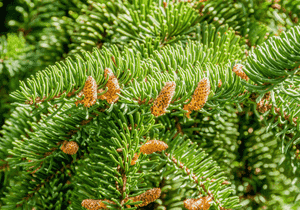
Caucasian fir, an impressive evergreen, flourishes when propagated vegetatively, particularly through cuttings. For successful results, gather semi-hardwood cuttings during the late summer period. These cuttings ought to be treated with a rooting stimulant to encourage development and then placed in a porous soil blend within a regulated humidity environment. Consistent spraying and protection from direct solar exposure create ideal rooting circumstances, enabling gardeners to proficiently multiply caucasian fir.
Optimal Period for Caucasian Fir Propagation
Propagation Type
Cutting
Propagation Season
Autumn,Winter
Tools for Caucasian Fir Propagation
Sharp Pruning Shears
These are vital for making clean, precise cuts on caucasian fir. Sharp blades ensure smooth cuts, reducing infection risk and promoting faster healing. Well-maintained, precision shears significantly boost cutting success by minimizing damage to both parent plant and new cuttings.
Rooting Hormone Powder
This enhances the probability of successful root growth in caucasian fir cuttings. Applying rooting hormone to the cut end encourages quicker root initiation and stronger development, crucial for new plant viability. It's especially important for caucasian fir's woody stems, which typically root slower than softer-stemmed plants.
Sterilizing Solution
Used to sanitize pruning shears and other tools before taking caucasian fir cuttings. This step is critical for preventing disease spread between plants. A sterilizing solution ensures each cutting begins as healthy as possible, free from pathogens that could hinder growth or cause plant death.
Propagating Trays and Dome
These house caucasian fir cuttings in a controlled setting, often with adjustable vents to manage humidityâa key factor for cuttings to avoid dehydration and encourage root growth. The dome helps maintain consistent moisture and warmth, creating a mini-greenhouse effect.
Perlite or Vermiculite
These are light, sterile mediums that offer excellent drainage and maintain sufficient moisture around caucasian fir cuttings. Mixed with peat or soil, perlite or vermiculite prevents rot while ensuring cut ends have good contact with moisture and air, fostering root formation.
How to Propagate Caucasian Fir?
Propagation Type
Moderately Difficult
Caring for Your Newly Propagated Caucasian Fir
Caring for Your Newly Propagated Caucasian Fir?
After propagation, gradually acclimate caucasian fir to its new surroundings by slowly exposing it to more direct sunlight over several weeks. Water the soil regularly to keep it moist but not waterlogged. Monitor for pests and diseases, treating as needed. As caucasian fir grows, provide a balanced fertilizer during the growing season to encourage healthy development. Transplant to a larger pot or permanent location once roots are well-established and overflowing the initial pot.
Common Mistakes to Avoid When Propagating Caucasian Fir
Inadequate soil preparation
Using an unsuitable soil mix can hinder root development for caucasian fir. The plant needs well-drained, slightly acidic soil; overly dense or highly alkaline soil can lead to poor root establishment and waterlogging, potentially causing root rot.
Overwatering during rooting
While caucasian fir seedlings require moist conditions for root establishment, excessive moisture can lead to fungal infections and root decay. Maintaining a proper balance is crucial to prevent such complications.
Ignoring pest management
Failing to monitor and control pests during the early propagation stages can result in significant damage or disease in caucasian fir. Pests like aphids and spider mites can severely impact the young plantsâ growth and vitality.
Tips For Propagating Caucasian Fir
Use of fresh seeds
For successful propagation, it's essential to use fresh caucasian fir seeds as their viability diminishes over time. Fresh seeds ensure higher germination rates, leading to more successful propagation outcomes.
Stratification process
Implementing a stratification process that involves exposing caucasian fir seeds to cold temperatures before planting is crucial. This mimics natural winter conditions, breaking seed dormancy and enhancing germination.
Proper spacing and depth
When sowing caucasian fir seeds, ensuring adequate spacing and appropriate planting depth is key. This prevents overcrowding and provides each seedling enough soil nutrients and space for robust root system development.



