How to Propagate Subalpine fir?
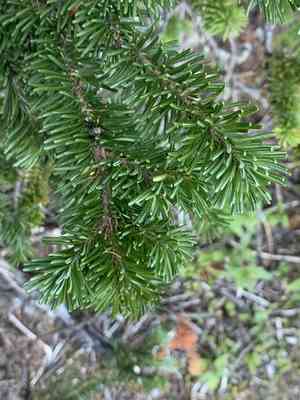
Abies lasiocarpa, a coniferous evergreen, is highly regarded for its hardiness and graceful appearance in colder regions. Effective propagation mainly relies on cuttings, which must be harvested from robust donor trees. To achieve the best outcomes, choose semi-mature cuttings from branches that are not producing flowers, as these typically establish roots more readily. It is essential to keep the soil uniformly damp, avoiding saturation, and to offer a consistent setting with mild warmth to stimulate root development. Disinfected implements and a rooting stimulant can significantly improve the likelihood of success. Attending to these details will contribute to cultivating a vigorous young Abies lasiocarpa.
When Is the Optimal Time to Propagate Subalpine Fir?
Propagation Method
Cutting
Propagation Period
Autumn,Winter
What Equipment Is Used in Subalpine Fir Propagation?
Rooting hormone
Rooting hormone is vital for boosting root growth from subalpine fir cuttings. Applied to the severed end, this chemical promotes root formation, ensuring successful root development crucial for cutting survival.
Pruners
Sharp, sanitized pruners are utilized to obtain cuttings from subalpine fir. The cleanliness and sharpness of the pruners guarantee a clean cut, fostering better healing and minimizing infection risk, which is essential for cutting health.
Propagation tray
A propagation tray serves to plant and manage multiple subalpine fir cuttings within a regulated setting. Trays aid in maintaining necessary humidity and temperature, both critical for successful rooting.
Misting system
A misting system assists in sustaining high humidity levels around subalpine fir cuttings, which is crucial to prevent desiccation before rooting. Adequate hydration is critical during the initial propagation phases.
Perlite
Perlite is incorporated into the soil to enhance aeration and drainage, creating an ideal rooting environment for subalpine fir cuttings. This prevents over-saturation and supports healthy root development.
How to Propagate Subalpine Fir?
Propagation Type
Moderately Difficult
How to Care for Your Newly Propagated Subalpine Fir?
How to Care for Your Newly Propagated Subalpine Fir?
Once subalpine fir cuttings have rooted, which might take several months, gradually acclimate them to ambient humidity over a week by removing the covering for increasing durations daily. Transplant the new saplings into individual pots with a standard fir potting mix, ensuring proper drainage and moisture retention. Keep them in a sheltered spot away from direct sunlight until established. Fertilize with a balanced, slow-release fertilizer according to product instructions, avoiding over-application. As subalpine fir are cold-hardy and prefer cooler climates, ensure young plants are protected from harsh weather and sudden temperature shifts.
Common Mistakes to Avoid When Propagating Subalpine Fir
Inadequate Cutting Selection
Choosing stems that are either too young or too woody for cuttings can lead to poor rooting rates and weakened plants. Subalpine fir's softer, semi-hardwood sections are more suitable for cuttings.
Overwatering Cuttings
Subalpine fir cuttings are susceptible to rot if kept in excessively moist conditions. Sufficient moisture is needed, but too much water can cause fungal issues and rot, resulting in unsuccessful propagation.
Ignoring Cleanliness
Using unsterilized tools or containers can introduce pathogens, causing infections in subalpine fir cuttings. Proper sanitation is vital to prevent contaminating new growth.
Planting Cuttings Too Deep
Subalpine fir cuttings have specific depth requirements. Planting them too deeply can restrict oxygen availability, hindering root development and reducing propagation success rates.
Tips For Propagating Subalpine Fir
Use a Rooting Hormone
Dipping the cut end of subalpine fir cuttings in a rooting hormone can significantly boost root development and the overall success rate of propagation.
Select Semi-Hardwood Cuttings
Choosing semi-hardwood cuttings from subalpine fir that are neither too green nor too woody increases the likelihood of successful root formation and growth.
Provide Proper Drainage
Ensuring that the soil medium drains well and doesn't retain excessive water helps keep subalpine fir cuttings healthy and free from root rot during the rooting process.
Moderate Humidity Levels
Maintain moderate humidity around subalpine fir cuttings to facilitate rooting without contributing to moisture-related problems such as mold or rot.



