How to Propagate Grand Fir?
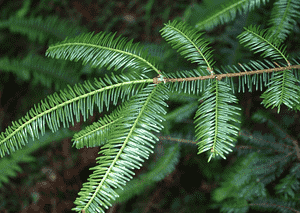
For Abies grandis, the optimal period for reproduction is during the fall and winter, employing techniques such as layering, taking cuttings, and planting seeds. This procedure can be moderately challenging, with successful multiplication evidenced by the emergence of roots or fresh shoots. Sufficient hydration and appropriate cuttings will contribute to a favorable outcome.
Optimal Time for Grand Fir Propagation
Propagation Method
Cutting
Propagation Period
Autumn,Winter
Tools for Grand Fir Propagation
Sterile pruning shears
Chosen for harvesting grand Fir cuttings, sterile pruning shears ensure a clean, precise cut, which helps prevent infection and promotes healthy root growth. Their sharp blades easily sever grand Fir branches, minimizing damage to the parent plant. Disinfecting shears before each cut reduces disease transmission between plants.
Rooting hormone powder
This compound is utilized to stimulate root development on grand Fir cuttings. Rooting hormone powder enhances the likelihood of successful rooting by encouraging new root formation at the application site. It compensates for the lack of a root system in the initial propagation phase, helping the cutting establish more quickly once planted.
Peat pots or propagation trays
Peat pots or propagation trays offer an ideal setting for nurturing grand Fir cuttings. They are filled with a sterile, well-draining growing medium conducive to root growth and help maintain adequate moisture levels. These containers are also biodegradable, allowing direct planting into the soil without disturbing the new root system.
Misting bottle
A misting bottle creates a humid microclimate around grand Fir cuttings, preventing them from drying out before roots can establish. Maintaining high humidity around the foliage is crucial for cuttings, especially for grand Fir, which may lose moisture through transpiration before new roots form.
Heating mat (optional)
For propagating grand Fir in cooler climates or seasons, a heating mat gently warms the soil, encouraging faster root development. Keeping the root zone of grand Fir cuttings at the optimal temperature promotes healthy and vigorous growth, essential for the successful establishment of the new plant.
Growth medium
Utilizing a sterile, well-drained growth medium, such as a mix of peat moss and perlite, ensures good aeration and moisture retention for grand Fir cuttings. This medium supports the initial stages of root growth by providing a balance of air and water, ultimately leading to a stronger and healthier foundation for the propagated plant.
Post-Propagation Care for Grand Fir
How to Care for Your Newly Propagated Grand Fir?
Once rooted, gradually introduce the young grand Fir to less humid conditions by removing the plastic cover for increasing durations. Transition the plant to outdoor conditions if appropriate, ensuring it is placed in well-drained soil with access to full sunlight to partial shade. Continue to water adequately to prevent drought stress, especially during the first growing season after propagation. As a slow-growing conifer, grand Fir requires minimal fertilization; only apply it in the spring if growth appears sluggish. Protect the young saplings from extreme cold in their first winter by providing mulch and, if necessary, windbreaks.
Common Errors to Avoid When Propagating Grand Fir
Inadequate cutting preparation
Using cuttings not properly taken or from unsuitable parts of grand Fir may not root well or could be more prone to disease. This can lead to poor plant health and may result in failed propagation.
Excessive watering
Overwatering grand Fir cuttings can lead to root rot and fungal diseases. This overwhelms the delicate new roots that cuttings are trying to grow and can kill the young plants.
Planting depth
Planting grand Fir cuttings too deeply can cause the cutting to suffocate due to lack of air to the developing roots, while too shallow planting might not provide enough support or moisture.
Neglecting humidity control
Failure to maintain high humidity around grand Fir cuttings can cause them to dry out and fail to root, as they require a moist environment to form new roots.
Ignoring pest and disease monitoring
Grand Fir propagules are susceptible to pests and diseases. Not monitoring and controlling these issues can lead to a loss of the cuttings before they successfully establish.
Tips For Propagating Grand Fir
Select healthy parent plants
Choose disease-free and vigorous parent grand Fir plants for taking cuttings, as the health of the parent plant significantly influences the success rate of propagation.
Use the right type of cutting
For grand Fir, semi-hardwood cuttings are generally more successful than softwood or hardwood cuttings. They should be taken from the current or previous season's growth.
Rooting hormone application
Applying a rooting hormone to the cut end of grand Fir cuttings can encourage faster and more uniform root development, which is critical for the successful establishment of cuttings.
Provide appropriate soil medium
Use a well-draining, sterile potting mix specifically designed for cuttings to ensure that grand Fir has the best chance for root development without exposure to pathogens.
Control humidity and light
Maintain high humidity and indirect light for grand Fir cuttings by using a humidity dome or mist system. This creates an environment that supports root growth while preventing desiccation.



