How to Propagate Fraser's fir?
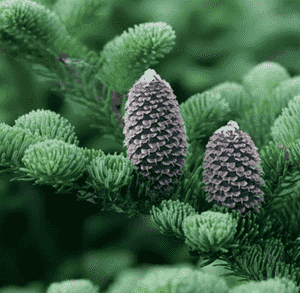
This perennial evergreen is reproduced through cuttings, a method that ensures genetic uniformity and vigor in new plants. To effectively propagate fraser's fir, choose semi-mature cuttings from robust parent plants, making sure the severed branch includes needles and a leading bud. Cuttings establish roots most effectively when dipped in a rooting compound and situated in a damp, adequately draining substrate within a regulated atmosphere. Diligent nurturing, such as frequent spraying and protection from direct sun exposure, greatly improves root formation, which is vital for cultivating strong plants.
Optimal Period for Fraser's Fir Propagation
Propagation Method
Cuttings
Propagation Season
Fall,Winter
Tools Required for Fraser's Fir Propagation
Sharp Pruning Shears
Essential for taking cuttings, sharp pruning shears ensure clean cuts that facilitate faster healing and reduce the risk of disease. For fraser's fir, making a precise cut is crucial to avoid damaging the tender stems, enhancing the success rates of rooting.
Rooting Hormone
This chemical substance stimulates root growth from cuttings, increasing the chances of successful establishment. For fraser's fir, which can be challenging to propagate, the rooting hormone ensures a higher success rate by promoting quick, healthy root development.
Sterile Potting Mix
Using a sterile potting mix helps prevent disease and fungus growth, which is vital for the sensitive initial phases of fraser's fir cuttings. This medium provides the necessary support and nutrients, ensuring the cuttings remain healthy and are more likely to root successfully.
Humidity Dome or Plastic Cover
Maintaining high humidity levels around the cuttings is crucial for preventing moisture loss through the leaves. For fraser's fir, a humidity dome or plastic covering helps retain the necessary moisture and warmth, simulating a micro-environment that is conducive to rooting and growth.
Heat Mats
Providing a gentle heat source under the propagating trays encourages root growth by maintaining an optimal soil temperature. This is particularly beneficial for fraser's fir, aiding in faster root development during the cooler times of the year when propagation typically occurs.
Steps to Propagate Fraser's Fir
Propagation Type
Moderately Difficult
Post-Propagation Care for Fraser's Fir
Post-Propagation Care for Fraser's Fir
Once rooted, gradually acclimate the fraser's fir to less humid conditions over a few days by making small holes in the cover, increasing their size over time. Then, transplant it to a larger container or directly outdoors if the climate is appropriate. Ensure fraser's fir is planted in well-drained soil and in an area with full to partial sun exposure. Regular watering and yearly mulching will help maintain moisture and nutrient levels. As fraser's fir grows, pruning to shape the tree and promote healthy growth is beneficial.
Common Errors to Avoid When Propagating Fraser's Fir
Poor cutting selection
Choosing weak or diseased cuttings from fraser's fir can hinder root development and plant vigor. Strong, healthy, semi-hardwood cuttings are crucial for successful propagation.
Overwatering
Excess moisture can lead to fungal infections and root rot in fraser's fir, which is particularly susceptible to overly wet conditions. This can severely affect the chances of rooting and overall plant health.
Neglecting humidity
Ignoring the humidity needs of fraser's fir can cause cuttings to dry out and fail to root. Fraser's fir cuttings require a consistently humid environment to establish roots.
Planting depth
Inserting fraser's fir cuttings too deeply into the propagation medium can lead to stem rot and reduce oxygen availability, which is vital for root initiation and growth.
Advice for Propagating Fraser's Fir
Optimal cutting size
Select cuttings that are 6 to 8 inches long with several nodes. This improves the likelihood of fraser's fir establishing roots due to a greater surface area for root growth while maintaining manageability.
Sterile equipment
Using sanitized pruning tools and containers helps prevent the spread of disease to fraser's fir cuttings. Clean equipment ensures healthy propagation environments and better survival rates.
Appropriate medium
Use a well-draining, sterile propagation medium for fraser's fir to prevent waterlogging and disease. A mix of peat and perlite or sand offers the right balance for root development.
Humidity control
Maintain high humidity around fraser's fir cuttings using a humidity dome or plastic cover. This keeps moisture levels adequate without waterlogging the medium, promoting successful rooting.



