How to Propagate Okra?
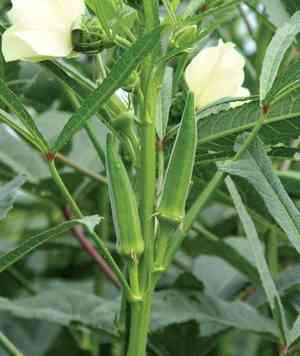
For okra, the prime period for reproduction is during the Spring, utilizing seeding as the favored technique. This propagation process is uncomplicated, with robust sprouting signifying successful development. Guarantee permeable earth and appropriate distances between plants for peak outcomes.
When Is the Optimal Time to Propagate Okra?
Method of Propagation
Seeding
Propagation Period
Spring
What Equipment Is Utilized in Okra Propagation?
Seed Trays
Seed trays are shallow containers with individual compartments for sowing okra seeds. They offer a controlled environment for sprouting, ensuring seedlings have ample room for root development without congestion. The primary benefit of using seed trays for okra is the consistency in growth conditions, which is vital for successful seedling establishment.
Seedling Heat Mats
These mats gently warm the soil, which can boost the germination rate of okra seeds. Okra thrives in warm growing conditions, and a heat mat can provide the consistent warmth necessary for optimal germination, especially in cooler climates or during early spring plantings.
Misting Spray Bottle
A spray bottle set to a fine mist is crucial for maintaining the required moisture levels for okra seeds, without over-saturating them. Too much water can cause seed rot, while too little can impede germination. A misting spray bottle delivers the ideal moisture balance for okra's delicate seeds.
Potting Mix
A premium, well-draining potting mix is essential for okra seed germination. Okra needs fertile soil with good drainage to prevent waterlogging. The potting mix should also be free of pathogens to minimize the risk of seedling diseases.
Peat Pots
Peat pots are biodegradable containers particularly useful for okra because they can be planted directly into the ground, reducing root disturbance. Since okra does not tolerate transplanting well due to its fragile root system, peat pots can improve seedling viability during the transplanting process.
Labels and Markers
Clear labeling of propagation trays, pots, or cells with weatherproof markers is necessary for tracking okra varieties and sowing dates. This ensures proper care and monitoring can be maintained throughout the propagation process of each okra plant.
How to Propagate Okra?
Propagation Method
Seeding
Difficulty Level
Easy
How to Care for Your Newly Propagated Okra?
How to Care for Your Newly Propagated Okra?
Once okra is established, water the plants regularly, ensuring they receive approximately 1 inch of water weekly. Fertilize the plants every 2 to 4 weeks with a balanced fertilizer. Support the plants with stakes or cages if needed, as some varieties can grow quite tall. Monitor for pests such as aphids and address them promptly. Harvest okra when the pods are 2 to 3 inches long and still tender for the best quality.
Common Errors to Avoid When Propagating Okra
Overwatering
Watering okra too frequently can lead to root rot and fungal diseases. This occurs because okra prefers well-drained soil, and excessive moisture can harm its sensitive root system.
Planting depth
Planting okra seeds too deeply can hinder germination. They require a shallow planting depth; otherwise, the seedlings might not be able to emerge through the soil surface.
Overcrowding
Sowing okra seeds too closely can result in overcrowding, limiting the plants' access to sunlight and air circulation. This can reduce yields and increase susceptibility to pests and diseases.
Ignoring soil quality
Using unamended or poor-quality soil can lead to poor plant health as okra thrives in nutrient-rich, well-draining soil. Inadequate soil can cause stunted growth and low productivity.
Neglecting early pest management
Failing to monitor for pests like aphids and spider mites in the early stages can lead to infestations that are harder to control and can significantly damage okra plants.
Tips For Propagating Okra
Seed selection
Choose high-quality, disease-free seeds for propagating okra, as this significantly increases the chances of successful germination and healthy plant development.
Soil preparation
Okra benefits from loose, well-draining soil with ample organic matter. Prepare the beds or pots in advance to ensure optimal growing conditions for the seeds or seedlings.
Moisture balance
Keep the soil consistently moist but not waterlogged to encourage germination and early growth. Use a fine mist to water seeds and avoid dislodging them.
Spacing
Sow okra seeds with adequate spacing to allow for sufficient sunlight penetration and air circulation, which promotes robust growth and reduces the risk of disease.
Gentle handling
Handle okra seedlings with care when transplanting, as they can be delicate. Avoid damaging the roots to prevent transplant shock and ensure a better survival rate.



